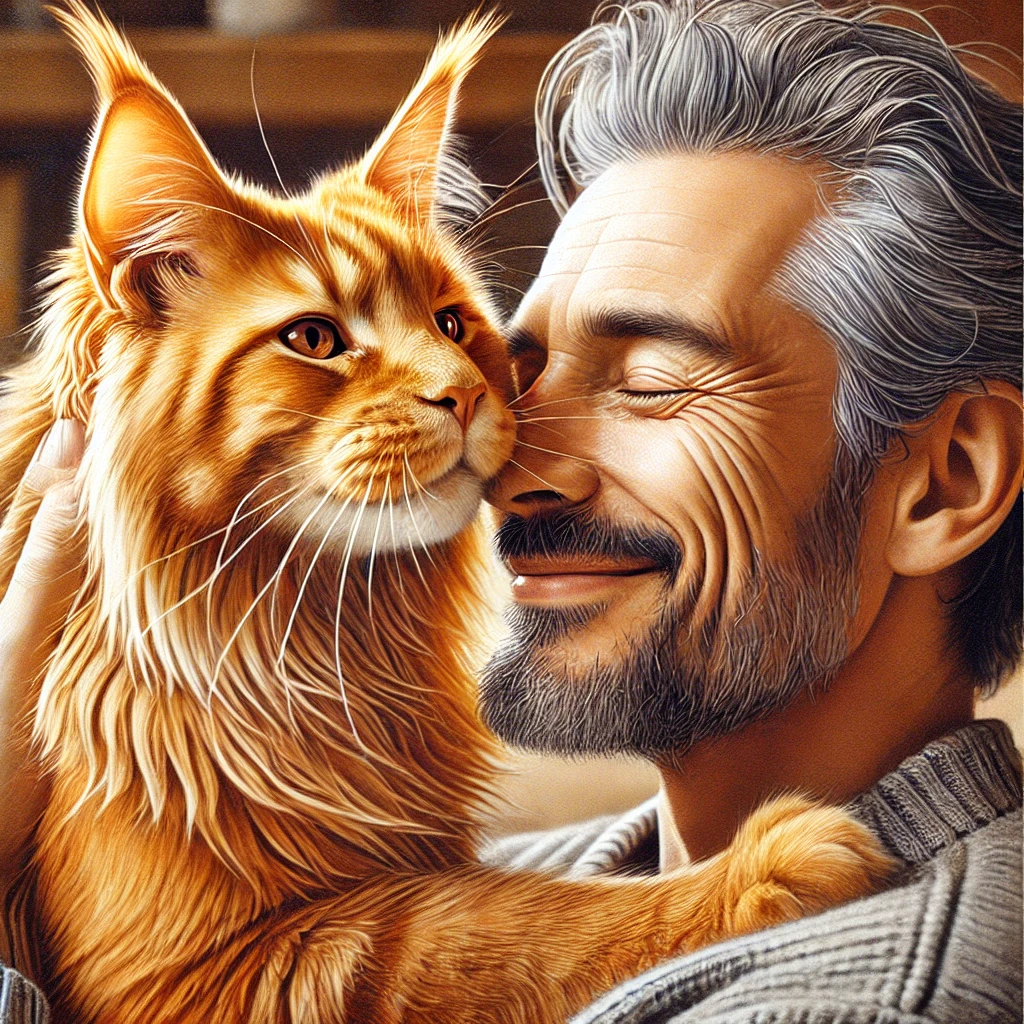
The Rising Trend of Choosing Maine Coon Kittens Over Parenthood: Companions for Families, Only Children, and Empty Nesters
In recent years, a fascinating trend has emerged: more people are choosing to bring Maine Coon kittens into their lives as an alternative to starting or expanding their families. This shift reflects evolving social values and priorities, as well as the incredible companionship these gentle giants offer. Maine Coons are filling roles traditionally held by children in many households, whether it’s providing a sibling-like presence for only children or bringing joy to empty nesters. Let’s explore why Maine Coons have become so popular in these family roles and what makes them ideal for those seeking companionship without the full demands of parenthood.

In recent years, a fascinating trend has emerged: more people are choosing to bring Maine Coon kittens into their lives as an alternative to starting or expanding their families. This shift reflects evolving social values and priorities, as well as the incredible companionship these gentle giants offer. Maine Coons are filling roles traditionally held by children in many households, whether it’s providing a sibling-like presence for only children or bringing joy to empty nesters. Let’s explore why Maine Coons have become so popular in these family roles and what makes them ideal for those seeking companionship without the full demands of parenthood.
Why People Are Choosing Maine Coons Over Parenthood
1. Changing Social Norms
• Delayed Parenthood: Many couples are delaying or even opting out of parenthood, influenced by career goals, financial considerations, and a desire for personal freedom. While raising children feels like a lifelong commitment, caring for a pet—especially one as friendly and independent as a Maine Coon—can feel more manageable and still bring the warmth of a family bond.
• Pets as Family Members: Pets today are more than just animals; they’re family. For singles, couples, or even households with only one child, Maine Coons can fill a unique space in the family. Known for their affectionate and sociable nature, these cats bond deeply with their humans, offering a rich, fulfilling relationship.

The Appeal of Maine Coons in Various Family Settings
1. For Families with Only Children
Maine Coons can make an excellent “sibling” for an only child. They’re friendly, playful, and thrive on interaction, making them ideal companions for children.
• Companionship for Only Children: Maine Coons can fill the space of an additional family member, providing a sense of connection and play that only children might otherwise miss. Their playful personalities and love for human interaction mean they often take on the role of a gentle, fluffy friend—someone to play with, talk to, and confide in.
• Teaches Responsibility Without the Pressure of a Sibling: Caring for a Maine Coon can help children learn responsibility, empathy, and patience, similar to what they might learn with a sibling. Feeding, grooming, and playing with a pet helps kids feel a sense of purpose without the complexity of sibling dynamics.

2. For Empty Nesters
When children leave home, many parents find that having a Maine Coon helps fill the emotional space their kids once occupied.
• Companionship Without Complexity: Maine Coons offer companionship, affection, and comfort, helping to ease the transition of an empty nest. They’re known to follow their humans from room to room, engaging in daily routines and bringing a sense of life and presence to a home that might feel a little too quiet.
• Emotional Support: Empty nesters often find that Maine Coons offer a different but equally fulfilling kind of love and companionship. These gentle giants have a knack for tuning into their humans’ emotions, which can bring great comfort during what can be a bittersweet life transition.

Why Maine Coons Are So Appealing
1. Affectionate Companionship
Maine Coons are known for their friendly, social personalities. They often develop strong bonds with their humans and enjoy being part of the family’s daily activities. Whether you’re an only child looking for a playmate or an empty nester in need of companionship, Maine Coons provide a loyal and loving presence.

2. Playful and Engaging
Maine Coons retain their playful energy throughout life, making them engaging companions. They’re curious, intelligent, and love interactive play, so whether you’re a child with energy to spare or an adult who enjoys having a lively companion, a Maine Coon is ready to meet you at your level.
3. Lower Commitment Than Raising Children
Caring for a Maine Coon is a commitment, but it’s one many find more approachable than raising a child. Maine Coons offer a blend of independence and companionship, making them perfect for people who want to focus on other life goals or enjoy some flexibility in their routines.

4. Health Benefits
Studies show that pets can boost mental health by reducing stress and increasing happiness. Maine Coons, with their gentle and loving nature, provide emotional support that can be beneficial for everyone in the family, from children to empty nesters.

Lifestyle Compatibility
1. Perfect for Urban Living
For people in urban settings, Maine Coons adapt well to apartment living. They don’t require the space or accommodations that children might, and their needs fit well with the pace of city life.

2. Flexibility for Busy Schedules
Maine Coons are independent enough to handle their alone time, which allows for flexibility in lifestyle. For busy families, single parents, or empty nesters with active social lives, a Maine Coon can be the perfect companion who’s there when you need them but can manage on their own as well.

3. More Manageable Financial Commitment
Raising children can be financially challenging, but the cost of caring for a Maine Coon, while still an investment, is generally lower. This balance makes it easier for families to allocate their resources toward travel, hobbies, or other experiences while still having the joy of a beloved family member.

A New Kind of Family Bond
The trend of choosing Maine Coon kittens over traditional parenthood, or as companions in families with one child or empty nests, is growing. Maine Coons’ affectionate personalities, playful nature, and compatibility with various lifestyles make them a wonderful fit for people seeking deep, fulfilling bonds without the complexities of raising children.
Maine Coons can bring a sense of connection, companionship, and joy to households in unique ways. Whether they’re an only child’s best friend or a source of comfort for parents adjusting to an empty home, Maine Coons are proving that love comes in many forms—and it’s sometimes covered in fur.
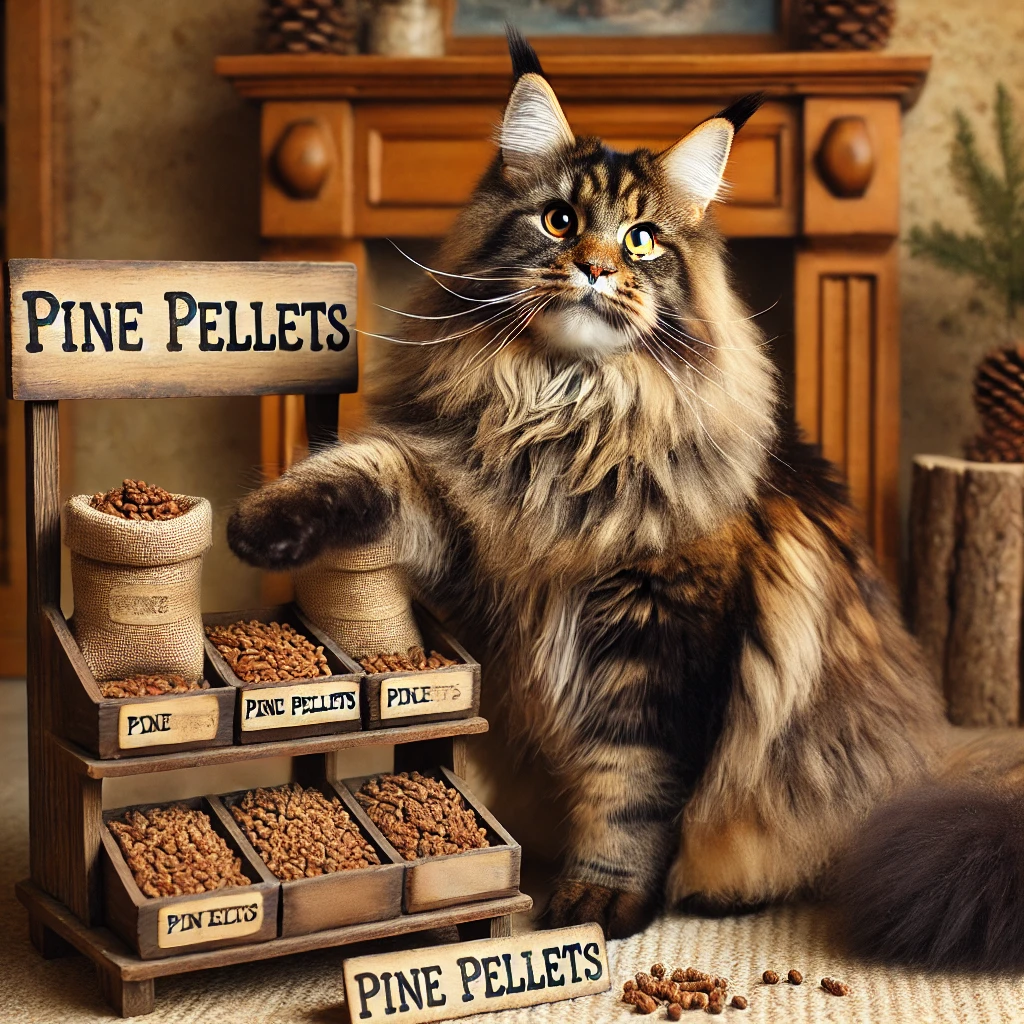
The Pine Pellet Revolution: A Healthier, Safer Litter Choice for Your Cat
Choosing the right kitty litter can be daunting, but understanding the benefits of pine pellets compared to traditional clumping litter can make a world of difference for your cat’s health, your home, and the planet. Pine pellets are a rising favorite among cat owners, and for good reason! Let’s dive into why this natural option could be the perfect choice for you and your feline friend—and why clumping litters may carry hidden risks.

Choosing the right kitty litter can be daunting, but understanding the benefits of pine pellets compared to traditional clumping litter can make a world of difference for your cat’s health, your home, and the planet. Pine pellets are a rising favorite among cat owners, and for good reason! Let’s dive into why this natural option could be the perfect choice for you and your feline friend—and why clumping litters may carry hidden risks.
Why Pine Pellets Are a Game Changer
1. Eco-Friendly and Naturally Sourced:
Imagine a litter that’s good for your cat and the planet! Pine pellets are made from compressed sawdust—a renewable, biodegradable resource that reduces landfill waste, unlike clay-based litters. So, every time you choose pine pellets, you’re opting for sustainability.

2. Fresh, Natural Odor Control:
Forget artificial fragrances. Pine naturally neutralizes odors with a gentle, woodsy scent that’s easy on the nose for both you and your cat. Pine pellets soak up moisture, keeping the litter box fresh without the need for strong chemicals.

3. Dust-Free for Better Breathing:
Unlike traditional clumping litter, pine pellets produce minimal dust, which benefits not only your cat’s sensitive respiratory system but also your own. For households with cats that have respiratory issues, like asthma, pine pellets can be a literal breath of fresh air.

4. Exceptional Absorbency:
Pine pellets are super absorbent. They break down into sawdust when wet, making it easy to scoop and maintain a clean, dry litter box. This breakdown also means you don’t need to use as much, helping pine pellets go further and last longer.

5. Cost-Effective Over Time:
Although pine pellets may have a slightly higher upfront cost, they’re efficient—thanks to their absorbency, you’ll need less litter over time. This makes them a smart investment for both your wallet and your cat’s health.
6. Minimal Tracking, Maximum Cleanliness:
Tired of finding litter grains all over the house? Pine pellets are larger and heavier than typical litter particles, meaning they’re less likely to stick to your cat’s paws and track around the house. Less mess, more time to relax!

The Hidden Dangers of Traditional Clumping Litters
1. Health Risks from Sodium Bentonite Clay:
Many clumping litters contain sodium bentonite, a clay that expands when wet. If your cat ingests this—say, while grooming—there’s a risk of gastrointestinal blockages. Plus, this clay can be toxic, putting your kitty’s health at risk.

2. Respiratory Issues from Dust Clouds:
Clumping litter often releases dust every time you scoop, pour, or even when your cat digs. This can trigger respiratory issues, especially in cats with asthma, and can affect humans in the household too.

3. Artificial Fragrances and Unnecessary Chemicals:
Strong, artificial fragrances in clumping litters are meant to mask odors but can be overwhelming for cats with sensitive noses. Many cats avoid the litter box when scents are too intense, leading to unwanted behaviors around the house.

4. Environmental Impact of Strip-Mined Clay:
Traditional clumping litters are often sourced through strip mining, which devastates ecosystems, destroys animal habitats, and contributes to pollution. Switching to a biodegradable option like pine pellets reduces your environmental footprint.

5. Frustrating Tracking and Mess:
Fine particles in clumping litter cling to paws, leading to litter trails around your home. Pine pellets, by contrast, stay in the box, so you’ll spend less time cleaning up stray litter.

Making the Switch
Switching to pine pellets can be a simple but impactful choice. Not only does it offer a cleaner, safer, and more pleasant litter experience, but it also aligns with a sustainable lifestyle. Try pine pellets and enjoy the benefits for yourself and your cat—a healthier home and a happier kitty!
By choosing pine pellets over traditional clumping litter, you’re making a powerful choice for your cat’s well-being and the environment. Give it a try, and see the difference it can make in your home!

Why Two Maine Coon Kittens Are Better Than One
Bringing a Maine Coon kitten into your home is a delightful experience, but have you considered the benefits of adopting two? While one kitten can certainly bring joy and companionship, there are several compelling reasons to consider welcoming a pair of Maine Coons into your life. Here’s why two kittens may be better than one.
Bringing a Maine Coon kitten into your home is a delightful experience, but have you considered the benefits of adopting two? While one kitten can certainly bring joy and companionship, there are several compelling reasons to consider welcoming a pair of Maine Coons into your life. Here’s why two kittens may be better than one.

1. Companionship
Maine Coons are known for their friendly and social nature, and having a companion can enhance their happiness. Two kittens can:
Play Together: Kittens are naturally playful, and having a buddy means endless playtime. They can engage in games of chase, pounce, and wrestle, which helps them burn off energy and stay active.
Prevent Loneliness: If you’re away from home for long periods, having a second kitten can help alleviate feelings of loneliness. They can keep each other company, reducing stress and anxiety.

2. Socialization Skills
Kittens learn valuable social skills from each other. By adopting two Maine Coons, you can help them:
Develop Proper Behavior: Interacting with a sibling or companion can teach kittens important social cues, such as appropriate play behavior and boundaries.
Gain Confidence: A second kitten can boost confidence, especially during new experiences. They can explore their environment together, making them more adaptable.

3. Less Destructive Behavior
Kittens are notorious for getting into mischief when bored. Having two can help mitigate this:
Shared Playtime: With a playmate, kittens are less likely to engage in destructive behaviors out of boredom, such as scratching furniture or climbing where they shouldn’t.
Healthy Outlet for Energy: They can channel their playful energy into each other rather than into your belongings.

4. Easier Transition to Adulthood
The transition from kittenhood to adulthood can be smoother with a companion:
Less Separation Anxiety: Kittens with a buddy may adjust better to being alone when you’re not home, as they have each other for comfort.
Social Development: Having a sibling helps them maintain their playful and social nature as they grow older, ensuring they remain well-adjusted adults.

5. Endless Entertainment
Two Maine Coons can provide endless amusement for you and your family:
Double the Personality: Each kitten has its own unique quirks and characteristics, making for a lively household filled with charm and affection.
Heartwarming Interactions: Watching them play, groom, and cuddle with each other can be incredibly heartwarming and entertaining.

6. Shared Experiences
Kittens often learn from each other, and shared experiences can enrich their lives:
Learning Opportunities: One kitten may learn from the other, whether it’s mastering new toys or exploring new spaces. This mutual learning can be beneficial for their development.
Bonding Moments: They can share moments of comfort and reassurance, whether during bath time, vet visits, or changes in the environment, fostering a strong bond between them.

7. Health Benefits
Having two kittens can also promote better health:
Physical Activity: Kittens that play together are more likely to stay active and fit, helping to prevent obesity and related health issues.
Mental Stimulation: Interacting with each other provides mental stimulation that is crucial for their development and overall well-being.

While one Maine Coon kitten can bring joy and companionship, adopting two offers a multitude of benefits that enhance their happiness and health. From companionship and socialization to reducing boredom and providing endless entertainment, two kittens can create a lively and loving home environment. If you’re considering adding a Maine Coon to your family, think about welcoming a pair—your kittens and your household will thank you!
Male vs. Female Maine Coon Cats: Understanding the Differences and which one may be right for you!
Maine Coon cats are known for their friendly personalities, impressive size, and striking appearance. When considering adding a Maine Coon to your family, one important decision is whether to adopt a male or female. While both genders share many characteristics, there are notable differences in behavior, size, and care needs. Here’s a closer look at what distinguishes male and female Maine coons to help you make an informed decision.
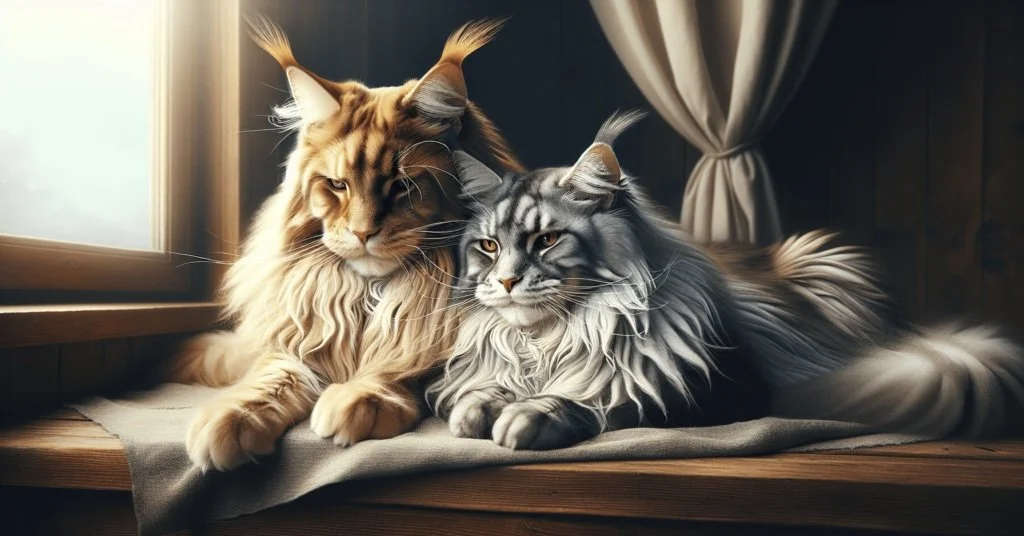
Maine Coon cats are known for their friendly personalities, impressive size, and striking appearance. When considering adding a Maine Coon to your family, one important decision is whether to adopt a male or female. While both genders share many characteristics, there are notable differences in behavior, size, and care needs. Here’s a closer look at what distinguishes male and female Maine coons to help you make an informed decision.
Size and Physical Differences
One of the most significant differences between male and female Maine Coons is size.
Males: Typically, male Maine Coons are larger, weighing between 13 to 18 pounds or more. They have broader heads, larger paws, and a more muscular build.
Females: Female Maine Coons are generally smaller, weighing between 8 to 12 pounds. They have a more refined appearance with narrower heads and sleeker bodies.
If you’re drawn to the idea of a larger, more majestic cat, a male might be the way to go.

Temperament, Behavior and Socialization
Both male female Maine Coons are generally friendly and good with children and other pets. They are known for their friendly and sociable natures, but there can be subtle differences in temperament and social behaviors:
Males: Often described as more outgoing, playful and goofy, male Maine Coons may exhibit a more laid-back demeanor. They tend to have a more boisterous and affectionate nature and can develop strong bonds with their owners. Males might also be more prone to displaying their playful side well into adulthood. They might seek more attention and enjoy engaging in interactive play. Their friendly demeanor often makes them seem more dog-like in their loyalty and companionship and may even seek out companionship with other pets.

Females: Female Maine Coons may be slightly more independent and reserved and may have a calmer disposition. While still affectionate and social, they might not demand as much attention as males and often exhibit a more discerning nature when it comes to playtime and social interaction. They can be more focused and sometimes more territorial. Females are often more selective about when they want to engage, and they may prefer a quieter environment or one-on-one time with their owners.

Health Considerations
Maine Coons, regardless of gender, can be prone to specific health issues, such as hypertrophic cardiomyopathy (HCM). However, there are some gender-specific considerations:
Males: Unneutered male Maine Coons may display more territorial behaviors and can be more prone to certain health issues, including urinary tract problems. Neutering can mitigate these behaviors and health risks.
Females: Unspayed females will go into heat, which can result in behaviors such as yowling and restlessness. Spaying can help prevent these behaviors and reduce the risk of certain health issues, such as mammary tumors.

Grooming Needs
Both male and female Maine Coons require regular grooming due to their long, thick fur. However, some differences exist:
Males: The larger size of male Maine Coons can lead to more extensive grooming needs. They may develop thicker fur around their necks, resembling a mane, which requires regular brushing to prevent mats.
Females: While females also need grooming, their slightly smaller size can make the process a bit easier. They may have a more manageable coat, but regular maintenance is still essential to keep their fur
Lifespan
The lifespan of Maine Coons is generally similar across genders, averaging between 12 to 15 years. However, female cats tend to live slightly longer than males on average, which can be a consideration for those seeking a long-term companion.
Choosing between a male and female Maine Coon ultimately comes down to personal preference, lifestyle and what you’re looking for in a feline companion. Males are typically larger, more playful, and more social, while females are often smaller and may be slightly more independent and discerning in their social interactions. Both genders offer unique personalities and charms. They are affectionate, loving, and make wonderful companions or additions to any family.
Regardless of your choice, Maine Coons are loving, playful, and loyal companions that will enrich your life. Consider your own lifestyle, living situation, and personal preferences when making your choice. Whichever you choose, you’re sure to find the perfect furry friend to join your family and find joy in sharing your home with one of these magnificent cats.

Lifespan
The lifespan of Maine Coons is generally similar across genders, averaging between 12 to 15 years. However, female cats tend to live slightly longer than males on average, which can be a consideration for those seeking a long-term companion.
Choosing between a male and female Maine Coon ultimately comes down to personal preference, lifestyle and what you’re looking for in a feline companion. Males are typically larger, more playful, and more social, while females are often smaller and may be slightly more independent and discerning in their social interactions. Both genders offer unique personalities and charms. They are affectionate, loving, and make wonderful companions or additions to any family.
Regardless of your choice, Maine Coons are loving, playful, and loyal companions that will enrich your life. Consider your own lifestyle, living situation, and personal preferences when making your choice. Whichever you choose, you’re sure to find the perfect furry friend to join your family and find joy in sharing your home with one of these magnificent cats.
American vs. European Maine Coons: Understanding the Differences
Maine Coons are one of the most beloved cat breeds, known for their large size, tufted ears, and friendly personalities. While they share many similarities, there are notable differences between American and European Maine Coons in terms of appearance, breeding standards, and temperament. Here’s a closer look at these two varieties of this magnificent breed.

Maine Coons are one of the most beloved cat breeds, known for their large size, tufted ears, and friendly personalities. While they share many similarities, there are notable differences between American and European Maine Coons in terms of appearance, breeding standards, and temperament. Here’s a closer look at these two varieties of this magnificent breed.
1. Physical Differences
Size and Build
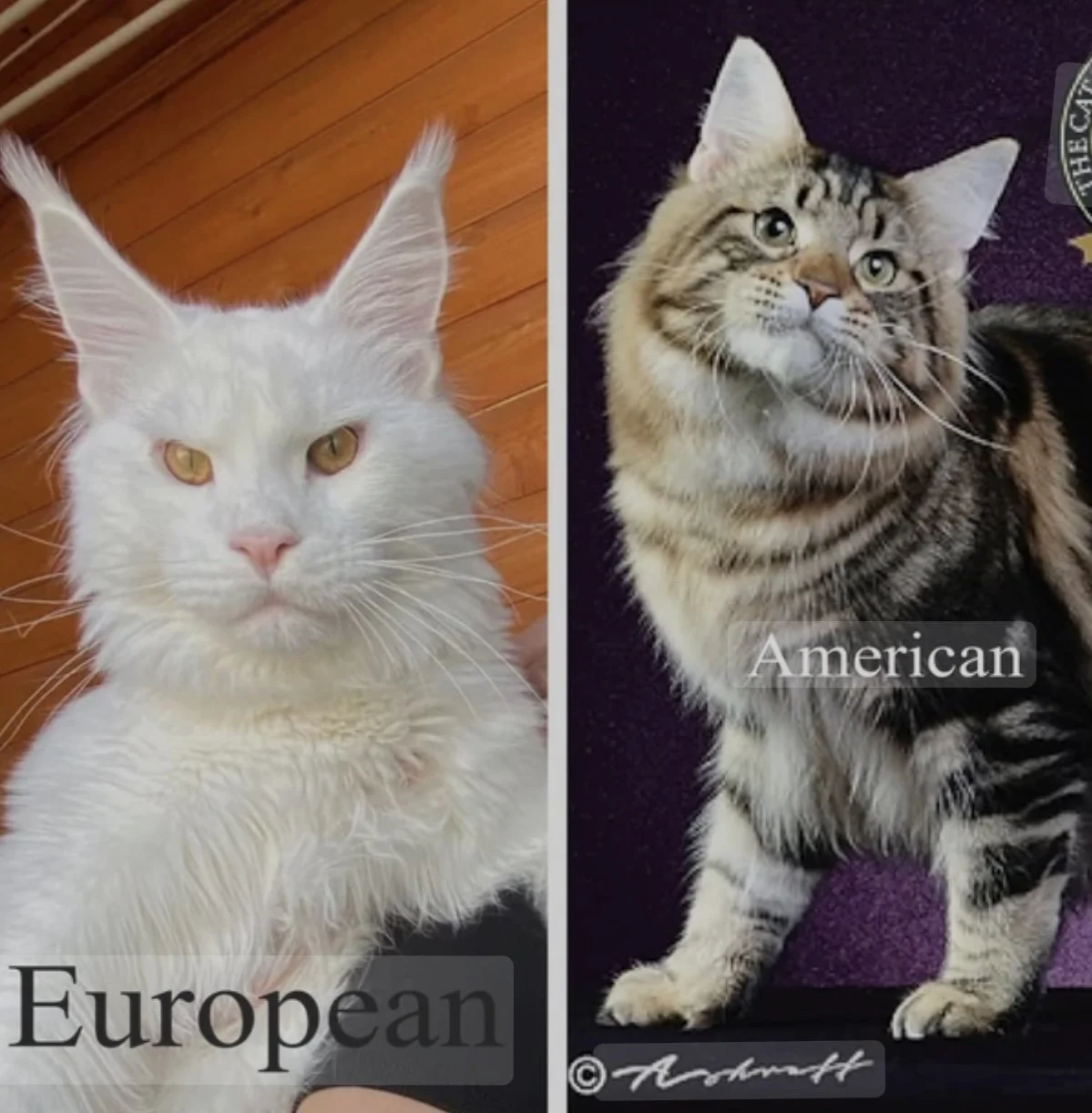
American Maine Coons: Typically, American Maine Coons are larger and more robust. They tend to have a more muscular build with broad chests and thicker legs. The American version often appears more stocky and powerful.
European Maine Coons: European Maine Coons tend to be slightly smaller and more elegant in appearance. They often have a longer, more slender body, which can give them a graceful look.

Head Shape and Features
American Maine Coons: The American variety generally has a wider head with prominent cheekbones and a more pronounced square shape. Their ears are large and often have significant tufts.
European Maine Coons: European Maine Coons often have a longer, more rectangular head shape. Their ears are also large but may not have as pronounced tufts compared to their American counterparts.


Fur and Coat Color
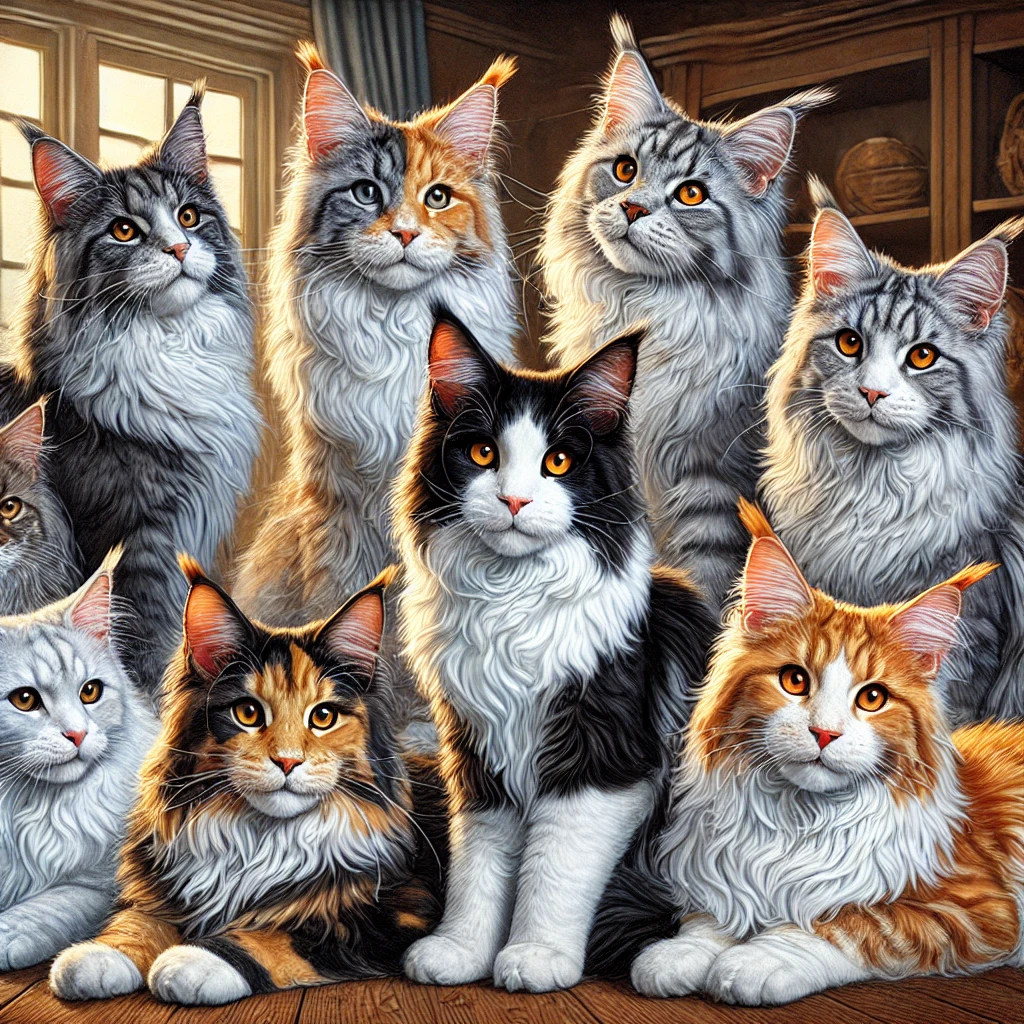
Both American and European Maine Coons have long, water-repellent fur, but there can be differences in texture and patterns. The American Maine Coons may have a more varied coat texture, while European Maine Coons often conform more closely to specific breed standards, which can influence coat patterns and colors.
2. Breeding Standards
The breeding standards for Maine Coons can vary between the United States and Europe.
American Standards: The Cat Fanciers' Association (CFA) and The International Cat Association (TICA) govern American breeding standards. They place emphasis on physical attributes such as size and head structure, focusing on maintaining the breed's robust characteristics.
European Standards: In Europe, organizations like the Fédération Internationale Féline (FIFe) and the Governing Council of the Cat Fancy (GCCF) also have specific standards, but they tend to emphasize a more refined appearance. The European standards often encourage a more elegant body type and specific head shapes.

3. Temperament
While both American and European Maine Coons are known for their friendly and social personalities, there can be slight variations in temperament:
American Maine Coons: Generally, they are known for being outgoing and playful. They may exhibit a more assertive nature and often enjoy engaging with their families actively.
European Maine Coons: These cats are often described as calm and gentle. They may be a bit more reserved initially but are affectionate once they feel comfortable in their environment.
4. Cultural Differences
Cultural perceptions and environments can also influence the behavior and care of Maine Coons:
In the U.S.: Maine Coons are often treated as family members and are known to be very interactive with their owners. They are frequently seen participating in family activities and events.
In Europe: While still beloved pets, European Maine Coons may be slightly less integrated into everyday family life, depending on the country and individual household norms.
5. Health Considerations
Regardless of whether you choose an American or European Maine Coon, it’s essential to consider health issues commonly associated with the breed, such as hypertrophic cardiomyopathy (HCM) and hip dysplasia. A responsible breeder from either region will conduct health screenings to minimize the risk of genetic issues.
American and European Maine Coons share a rich heritage and many delightful traits, but their physical differences, breeding standards, and temperaments set them apart. When considering adding a Maine Coon to your family, understanding these distinctions can help you choose the right cat that fits your lifestyle and preferences. Ultimately, regardless of the variety, a Maine Coon is sure to bring joy, companionship, and a touch of elegance to your home.
The Gentle Giants of the Cat World. Discovering Maine Coon Characteristics
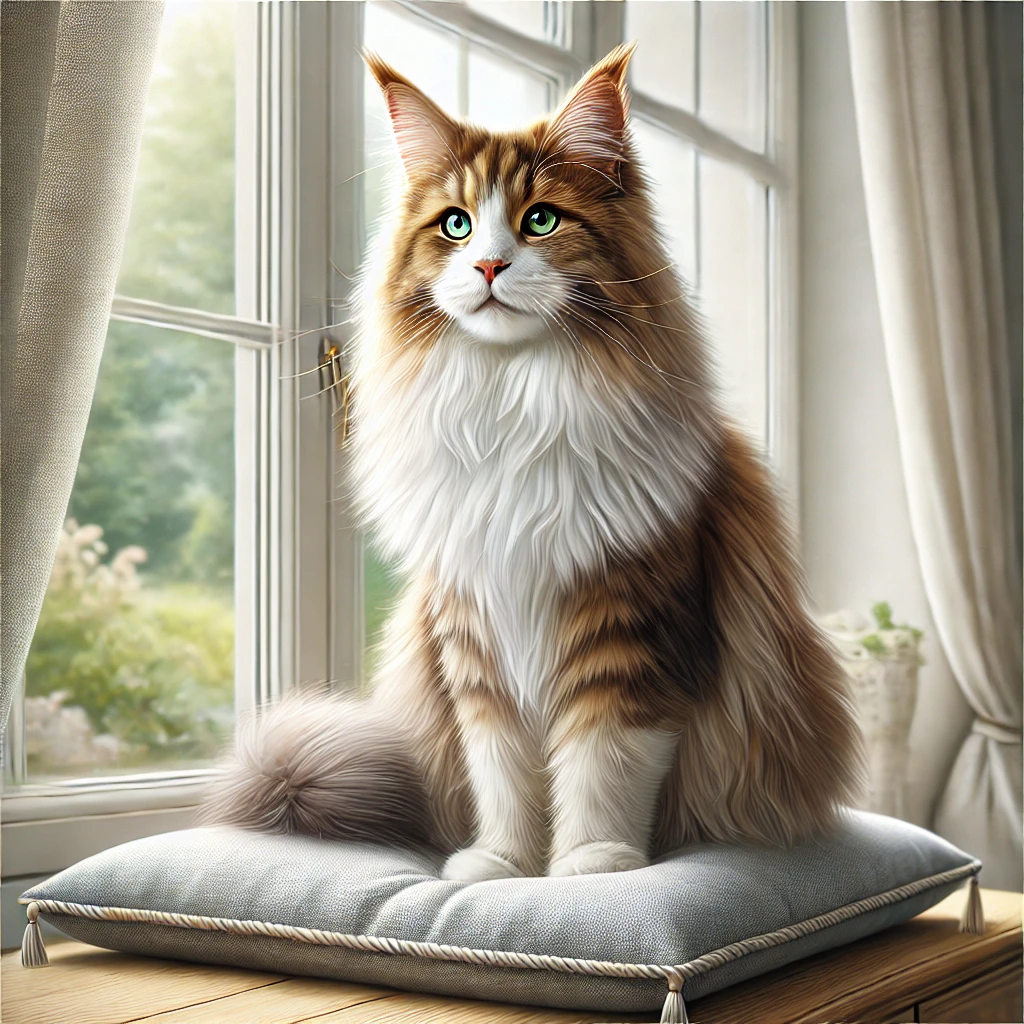
Maine Coon cats are known for their impressive size, striking appearance, and charming personalities. As one of the oldest natural breeds in North America, they have a rich history and a unique set of characteristics that make them stand out. Here’s an in-depth look at the defining traits of Maine Coons.
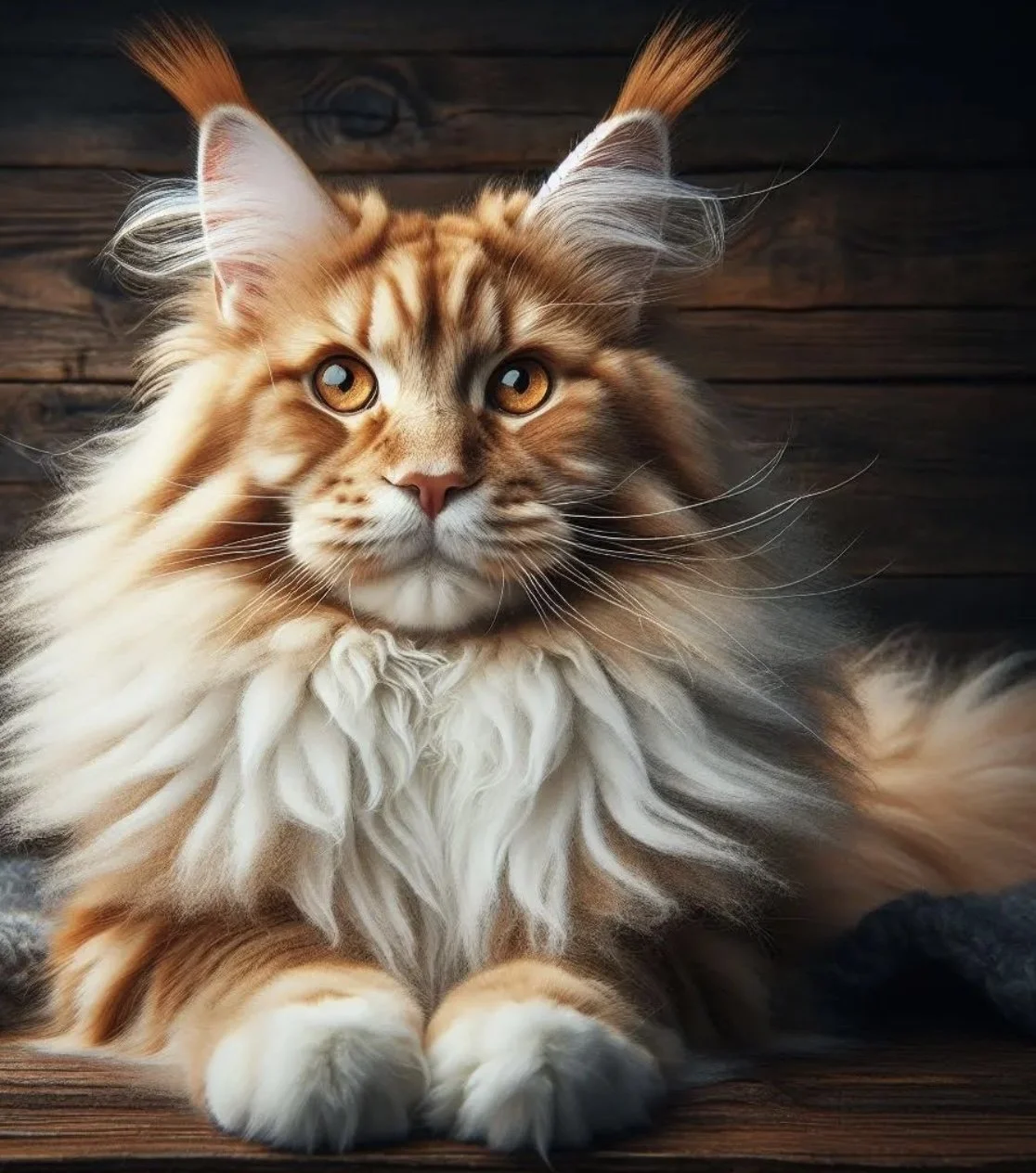
Maine Coon cats are known for their impressive size, striking appearance, and charming personalities. As one of the oldest natural breeds in North America, they have a rich history and a unique set of characteristics that make them stand out. Here’s an in-depth look at the defining traits of Maine Coons.
1. Size and Build
Maine Coons are among the largest domesticated cat breeds. Adult males typically weigh between 13 to 18 pounds, while females range from 8 to 12 pounds. They have a muscular build, broad heads, and strong, sturdy legs. Their long, bushy tails help them maintain balance and provide warmth during cold weather.

2. Coat and Color
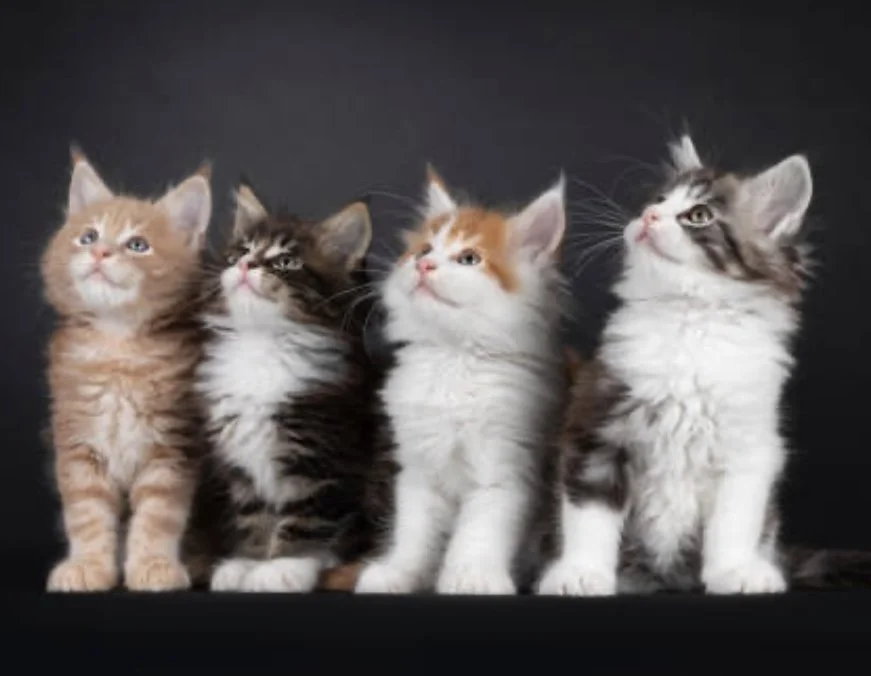
Maine Coons have a thick, water-repellent double coat that is soft and silky. This coat helps protect them in harsh climates. Their fur can come in nearly any color or pattern, with more than 75 recognized variations, including tabby, solid, and tortoiseshell. Regular grooming is essential to prevent mats and reduce shedding.
3. Tufted Ears and Lynx-like Features
One of the breed's most distinctive features is their large, tufted ears, which resemble those of a lynx. These tufts enhance their hearing and give them a wild appearance. Their expressive eyes, often in shades of green or gold, are another captivating characteristic.

4. Friendly and Social Nature
Maine Coons are renowned for their friendly and sociable demeanor. They are often described as “gentle giants” due to their affectionate nature. They typically get along well with children, dogs, and other pets, making them excellent family companions. Maine Coons enjoy being involved in family activities and are known to follow their owners around the house.

5. Playful and Intelligent
These cats are highly intelligent and curious, which contributes to their playful nature. Maine Coons enjoy interactive play and can often be seen engaging with toys or climbing on cat trees. They can also learn tricks and respond well to training, making them both entertaining and engaging companions.

6. Vocalization
Coons are known for their unique vocalizations. Rather than the typical meow, they often communicate with soft trills, chirps, and purrs. This distinctive way of speaking adds to their charm and helps them express their needs and desires.

7. Adaptability
Maine Coons are known for their adaptability. They can thrive in various living environments, from bustling households to quieter settings. Their social nature means they often adjust well to new situations, making them suitable for families and individuals alike.

8. Lifespan and Health
Maine Coons typically live between 12 to 15 years, with some living even longer. While they are generally healthy, they can be predisposed to certain genetic conditions, such as hypertrophic cardiomyopathy (HCM). Regular veterinary check-ups and a balanced diet are essential for maintaining their health.

Maine Coons are a breed defined by their remarkable size, striking appearance, and affectionate personalities. Their friendly and playful nature makes them ideal companions for families and individuals alike. If you’re considering welcoming a Maine Coon into your home, be prepared for a loving, engaging, and majestic feline friend that will enrich your life for years to come. With their unique characteristics and gentle disposition, Maine Coons truly embody the spirit of the perfect pet.
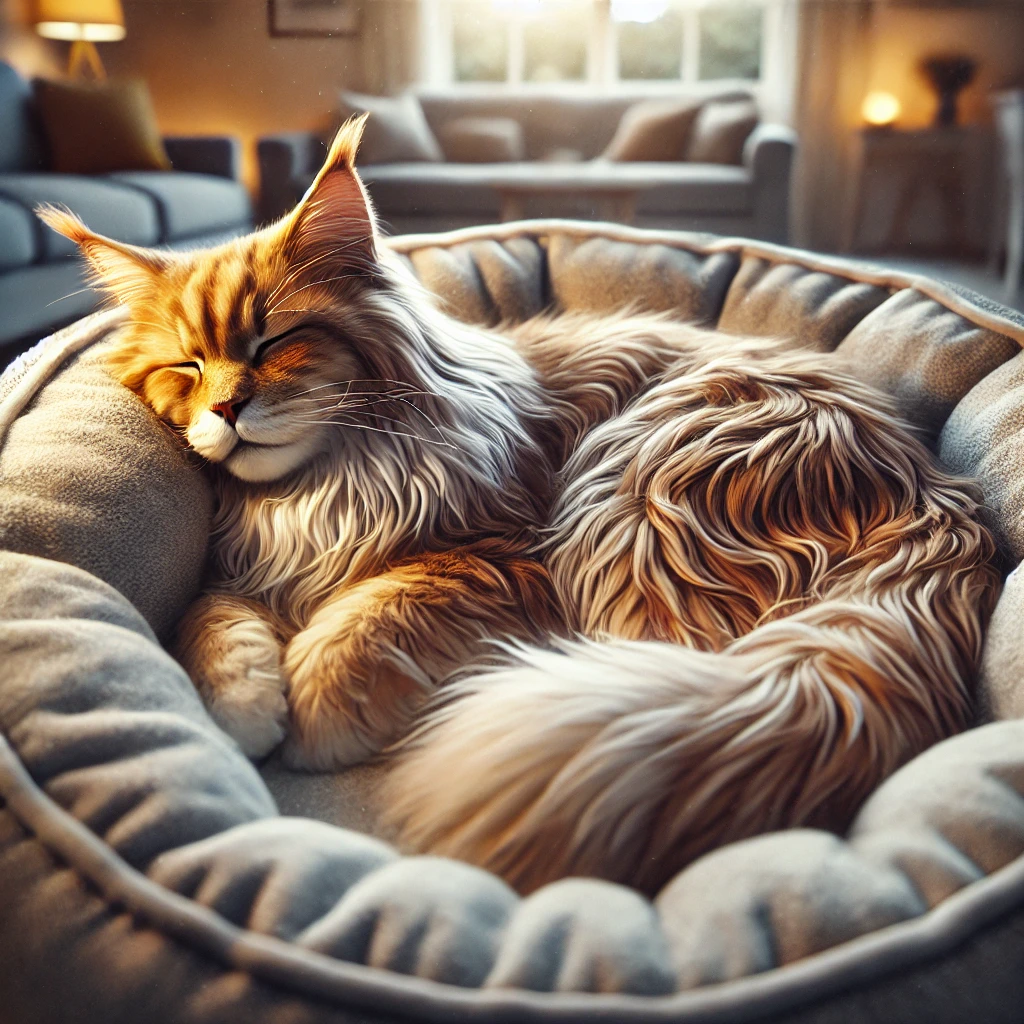
The Sweet Secrets Behind your Cat’s Favorite Napping Spots: Understanding their Sleeping Habits
Cats are the ultimate snoozers, often curling up for 12 to 16 hours a day. But did you know that each of their favorite napping spots has its own special meaning?

Cats are the ultimate snoozers, often curling up for 12 to 16 hours a day. But did you know that each of their favorite napping spots has its own special meaning? The places your kitty chooses to rest aren’t random—they reveal hints about their personality, comfort, and how they feel about you. Let’s take a closer look at the hidden messages behind your cat’s chosen sleeping spots and what they say about your furry friend’s heart and mind.
1. On Your Lap or Right Beside You
When your cat curls up on your lap or snuggles close to you, it’s their way of saying, “I love you, and I trust you completely.” This isn’t just a nap spot—it’s an expression of affection and comfort, a way for your cat to soak up your warmth and presence. Treasure these moments, as they’re your cat’s way of bonding and letting you know you’re their favorite safe place.

2. In a Cozy Cat Bed or Wrapped in a Blanket
If your kitty loves their own cozy bed or a soft blanket, they’ve found their perfect “happy place.” This means they feel secure, warm, and content. Having a special spot to retreat to gives them a sense of independence while still knowing they’re safe and loved. It’s a little kingdom of comfort that’s all theirs.

3. Perched High on Shelves or Cat Trees
Cats are natural climbers, and when your kitty picks a high-up spot to sleep, it’s their inner wildcat showing. From up there, they can keep an eye on everything, feeling safe and just a little bit like the king or queen of the house. It’s also a reminder of their playful, adventurous side—they love a good climb, even when it’s time to snooze!

4. Tucked Away in Hidden or Enclosed Spaces
Does your cat love boxes, closets, or the cozy space under the bed? These tucked-away spots are like a warm hug for your kitty, offering a sense of safety and privacy. Just like their ancestors in the wild, cats instinctively seek hidden spaces to feel secure. When life feels a little overwhelming or they just need a peaceful hideaway, these spots are their go-to retreats.

5. Basking in Sunny Spots or Lounging on Warm Surfaces
If your cat is always stretching out in a sunny window or snuggling on warm surfaces, it’s because they’re true warmth seekers. The sunlight helps them relax and stay cozy, giving them a natural sense of calm. Watching them soak up the sun’s rays is a reminder of how simple joys bring them so much happiness.

6. Near Doors or Windows, the World-Watchers
When your cat naps by a door or window, they’re not just resting—they’re on the lookout! This spot gives them a front-row seat to the world’s sights and sounds, from chirping birds to bustling passersby. It’s their way of staying curious and feeling connected to their environment, all while keeping that cozy nap vibe.

7. In Your Laundry or on Your Clothes
If your cat gravitates towards your laundry pile or worn clothes, it’s a sign of how much they adore you. Your scent is comforting, making them feel safe and close to you, even when you’re not around. Curling up in your clothes is like getting a big, cozy hug from their favorite person—what could be sweeter?

8. In a Quiet, Undisturbed Corner
Sometimes, a cat just wants a little “me time.” If your kitty prefers napping in a peaceful corner or tucked-away room, they may be more of an introvert, seeking a calm space to unwind. Respecting their need for solitude helps them feel even more at home, knowing they can find quiet moments whenever they need.

Each of your cat’s sleeping spots is a small love note to you, a glimpse into their heart and soul. By noticing these places, you get a window into their personality, needs, and feelings of comfort. Whether it’s a sunlit spot, your cozy lap, or a high perch, each choice reflects a unique part of your cat’s world. Embrace these moments, and know that every nap your kitty takes is just one more way they express their special, one-of-a-kind personality. After all, a cat’s favorite sleeping spot is where their heart feels most at home.

Why Cats Boop: Understanding Your Maine Coon’s Sweetest Gesture
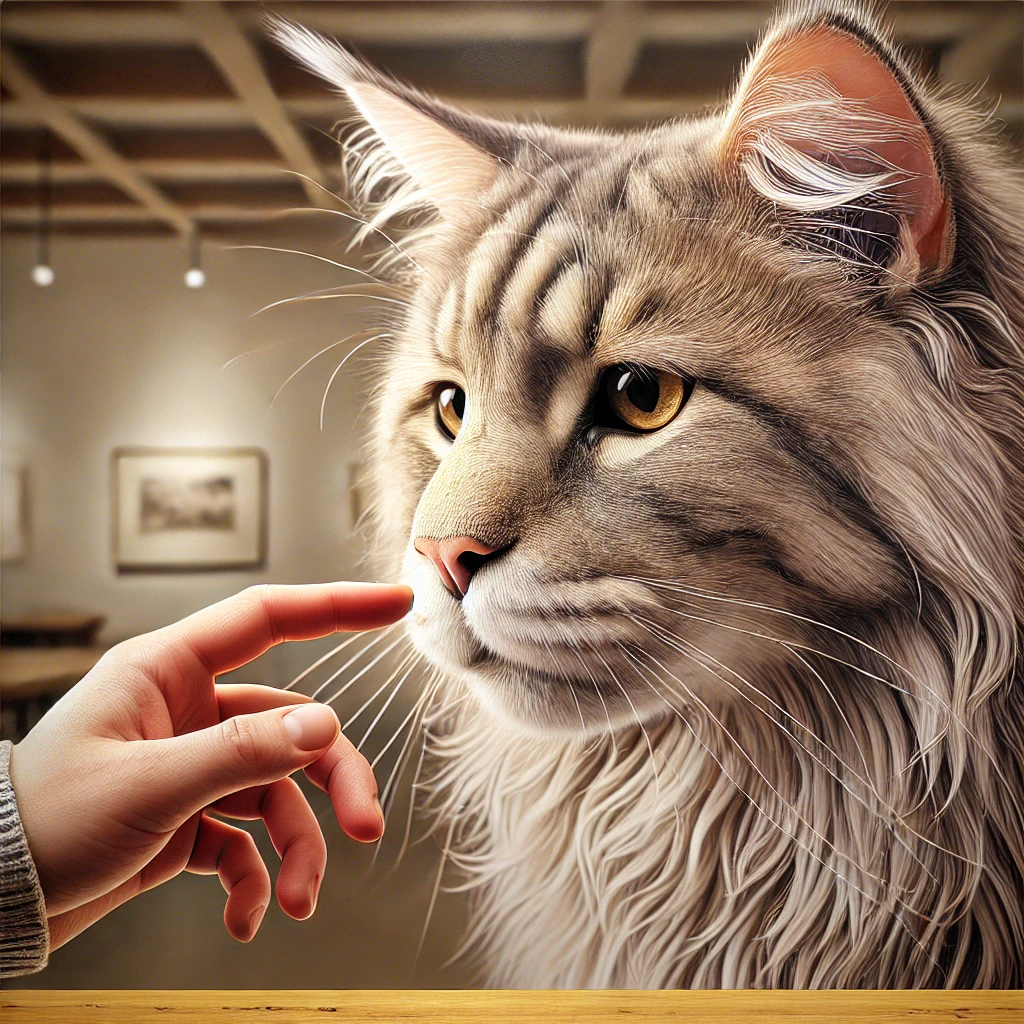
One of the most heartwarming parts of being a Maine Coon parent is experiencing those gentle, loving nudges from your kitty’s nose—a precious little “boop.” While these adorable taps might seem like simple playfulness, they’re actually a beautiful form of communication that tells you a lot about how much your Maine Coon cares. Here’s a closer look at what each sweet boop really means.

One of the most heartwarming parts of being a Maine Coon parent is experiencing those gentle, loving nudges from your kitty’s nose—a precious little “boop.” While these adorable taps might seem like simple playfulness, they’re actually a beautiful form of communication that tells you a lot about how much your Maine Coon cares. Here’s a closer look at what each sweet boop really means.
1. A Little Love Tap
One of the main reasons your cat boops you is to say “I love you” in their own special way. Just like rubbing against your legs or purring on your lap, that gentle nose boop is their way of showing affection and reminding you that you’re their favorite human. Think of it as a tiny “I’m so happy to be with you” message wrapped up in a soft, warm touch.

2. You’re Theirs—Officially
Cats are territorial by nature, and when they boop you, they’re leaving their scent behind as a way of marking you as part of their inner circle. Those scent glands around their faces, including their noses, transfer a bit of “cat magic” to you, so they (and other pets) know you’re in their safe space. It’s their way of saying, “You’re mine—and that’s a good thing!”

3. A Little Reminder: “I’m Here!”
Sometimes, a boop is simply your cat’s sweet way of getting your attention. Whether they’re in the mood for play, snuggles, or a treat, that little nose nudge is a gentle, endearing way of saying, “Hey, don’t forget about me!” It’s their polite way of asking you to focus on them—and who can resist giving in?

4. Curiosity, Maine Coon Style
Maine Coons are famously curious, and a boop might just be their way of exploring you! By touching their nose to yours, they’re taking in your scent and learning more about their beloved human. This kind of gentle “investigation” helps them bond with you and feel even closer—because to your Maine Coon, you’re always worth discovering a little more about.
5. Let’s Play!
Cats love to play, and a boop can be an invitation for you to join in the fun. Cats often tap each other to start a game, so when your Maine Coon boops you, they might just be saying, “Let’s have some fun together!” You can respond by wiggling your fingers or grabbing a favorite toy—it’s all part of the sweet, playful language you two share.

6. Comfort in a Touch
For more anxious or shy kitties, a boop can be a gentle way of seeking comfort. Just like we might reach out to hold someone’s hand, your cat may boop you to feel safe and reassured. This is especially common with newly adopted cats still adjusting to their new home. Each touch is a tender reminder that you’re a source of warmth and security.

7. Bonding, Feline Style
Above all, booping is a bonding ritual. Cats may seem independent, but they’re deeply social creatures who love connecting with their favorite people. Each little nose nudge helps strengthen the loving bond between you and your Maine Coon. It’s their way of showing trust and reminding you that you’re part of their family.

So, the next time your cat graces you with a sweet little boop, know that it’s more than just an adorable moment. It’s a little act of love, curiosity, and connection that makes your bond even stronger. Cherish each boop, each nudge, and each tap as your cat’s way of saying, “You mean the world to me.” Every boop is a reminder of the joy, trust, and love that Maine Coons bring into our lives, enriching the special connection you share with your furry friend.
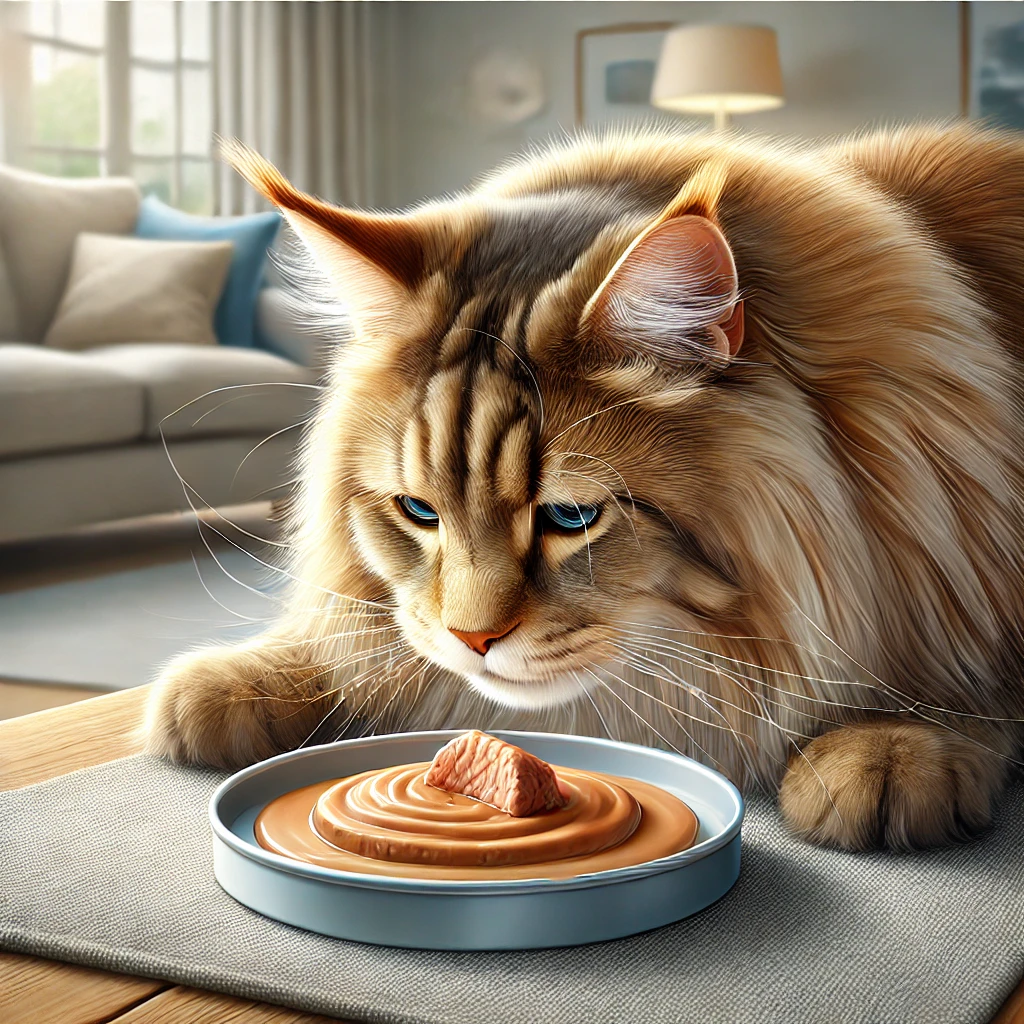
What to Feed a Maine Coon: A Guide to Proper Nutrition
Maine Coon cats are known for their impressive size, playful nature, and striking appearance. To ensure your Maine Coon thrives and remains healthy throughout their life, it’s essential to provide a balanced and nutritious diet. Here’s a comprehensive guide on what to feed your Maine Coon.

Maine Coon cats are known for their impressive size, playful nature, and striking appearance. To ensure your Maine Coon thrives and remains healthy throughout their life, it’s essential to provide a balanced and nutritious diet. Here’s a comprehensive guide on what to feed your Maine Coon.
1. High-Quality Commercial Cat Food
Choosing high-quality cat food is the cornerstone of your Maine Coon’s diet. Look for brands that use real meat as the first ingredient and avoid those with fillers, artificial preservatives, and by-products. Here are the two main types of commercial cat food:
Dry Food (Kibble): While convenient and good for dental health, ensure that it has a high protein content and low carbohydrate levels. Look for options specifically formulated for larger breeds.
Wet Food (Canned): Canned food can provide added moisture to your cat’s diet, which is beneficial for their urinary tract health. It often has higher protein levels and is more palatable for many cats.
Raw Diet: A raw food diet, when properly balanced and managed, can mimic a natural feline diet and support a Maine Coon’s muscular build and overall health. Ensure any raw diet includes high-quality meats and essential nutrients and consult with a veterinarian for safe preparation and handling.

2. Nutritional Needs
Maine Coons are large, active cats that require a diet rich in protein and fats. Here’s what to look for:
Protein: Aim for a diet with at least 30-40% protein. Chicken, turkey, and fish are excellent sources. Cats are obligate carnivores, so protein is crucial for their health.
Fats: Healthy fats are important for energy and coat health. Look for omega-3 and omega-6 fatty acids, which support skin and coat condition.
Carbohydrates: While cats do require some carbohydrates, their diet should be low in grains. Opt for foods with easily digestible carbohydrates, like sweet potatoes or peas.

3. Age-Appropriate Diet
Maine Coons’ nutritional needs vary with age:
Kittens: Young Maine Coons need kitten-formulated food, which is higher in calories, protein, and essential nutrients to support their rapid growth.
Adults: Once they reach adulthood (around 1 year), transition to high-quality adult cat food. Focus on maintaining a healthy weight, as Maine Coons can be prone to obesity.
Seniors: For older Maine Coons (7 years and up), consider a senior formula that supports joint health and has lower calories to prevent weight gain.

4. Portion Control
Due to their size, Maine Coons may be prone to overeating. Follow the feeding guidelines on the cat food packaging, but adjust portions based on your cat's activity level and weight. Regularly monitor their body condition and consult your veterinarian for personalized recommendations.

5. Treats and Supplements
Treats can be a great way to bond with your Maine Coon, but they should be given in moderation. Look for healthy, low-calorie options, and avoid human food, especially those toxic to cats (like onions, garlic, chocolate, and grapes).
Supplements may be necessary if your cat has specific health needs. Always consult your veterinarian before introducing any new supplements.

6. Fresh Water
Always provide access to fresh, clean water. Maine Coons can be prone to urinary tract issues, and hydration is crucial for their overall health. Some cats prefer running water, so consider investing in a cat water fountain.

7. Regular Vet Check-Ups
Routine veterinary visits are essential for monitoring your Maine Coon’s health and dietary needs. Your vet can provide tailored advice based on your cat’s age, weight, and any health concerns.

Feeding your Maine Coon a balanced and nutritious diet is vital for their overall health and well-being. By choosing high-quality food, monitoring portion sizes, and adapting their diet as they age, you can help your feline friend thrive. A well-fed Maine Coon is not only happier but will also enjoy a longer, healthier life by your side.
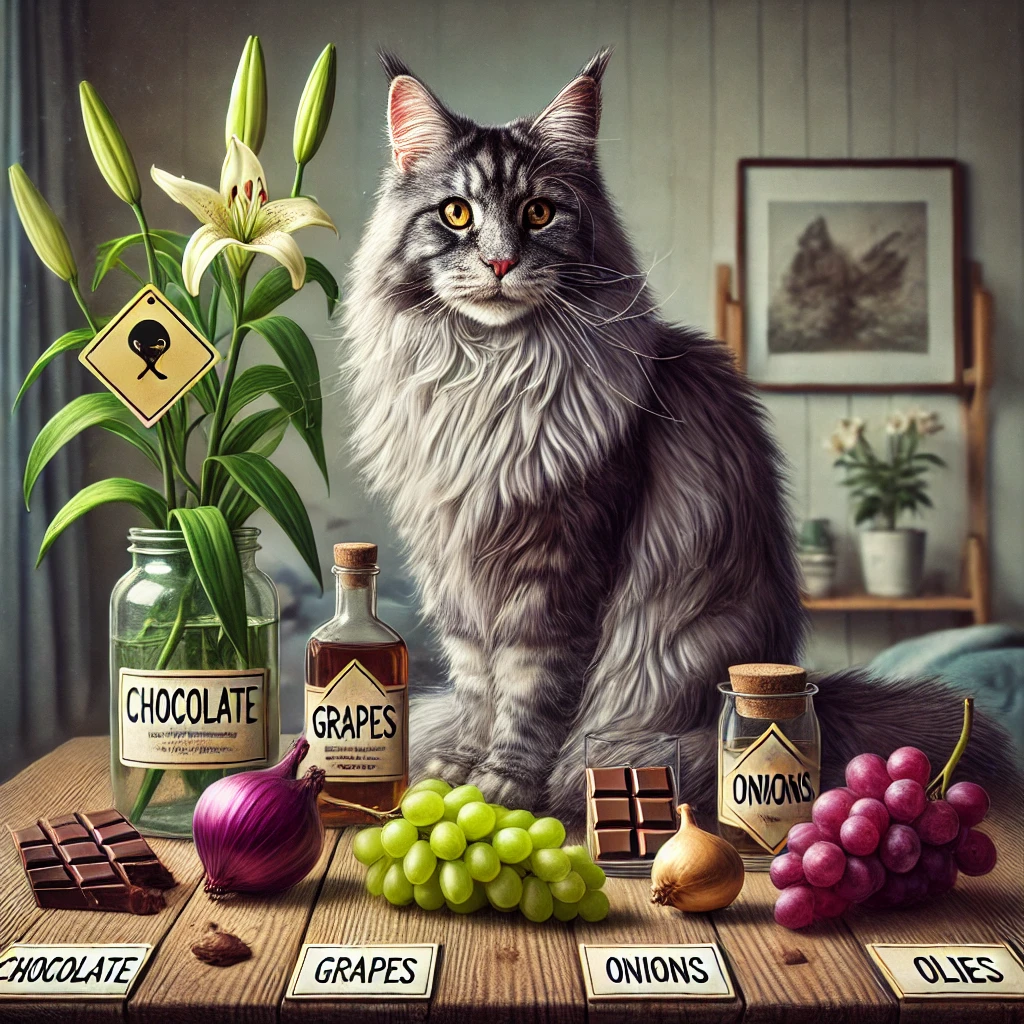
Toxic Things to Avoid for Maine Coon Cats
Maine Coons are beloved for their friendly personalities and striking looks, but like all cats, they are sensitive to certain substances and environments. As a responsible pet owner, it’s essential to understand what common household items could put your Maine Coon at risk. Here’s a comprehensive guide to the things you should keep well out of reach.

Maine Coons are beloved for their friendly personalities and striking looks, but like all cats, they are sensitive to certain substances and environments. As a responsible pet owner, it’s essential to understand what common household items could put your Maine Coon at risk. Here’s a comprehensive guide to the things you should keep well out of reach.
1. Harmful Human Foods
It’s tempting to share food with our pets, but some human foods can be dangerous—even deadly—for cats. Here are some of the top foods to avoid:
Onions and Garlic: Even small amounts can damage a cat’s red blood cells, leading to anemia, which can be life-threatening over time.
Chocolate: Chocolate contains theobromine, which cats can’t process. It can cause tremors, seizures, and even death.
Caffeine: Found in coffee, tea, and some sodas, caffeine can lead to heart palpitations, restlessness, and rapid breathing.
Grapes and Raisins: While the exact reason is unclear, grapes and raisins can lead to kidney failure in some cats, which can cause severe and lasting health problems.
Xylitol: This artificial sweetener, found in many sugar-free products, can lead to insulin surges and liver failure in cats.

2. Toxic Plants
Many household plants look lovely but can pose serious risks to cats if ingested. Here are some particularly toxic ones:
Lilies: Highly dangerous—even a small nibble can lead to kidney failure in cats.
Azaleas: Ingestion can cause vomiting, drooling, and, in severe cases, cardiac problems.
Oleander: Every part of this plant is toxic and can lead to life-threatening heart issues.
Poinsettias: While only mildly toxic, poinsettias can cause irritation and discomfort if chewed on, which isn’t ideal for your cat’s well-being.

3. Common Household Products
Our homes contain many products that are convenient for us but hazardous for pets. Here’s what to keep away from curious paws:
Cleaning Products: Standard cleaners often contain chemicals that can be harmful if ingested or inhaled by cats. Use pet-safe alternatives whenever possible.
Pesticides and Herbicides: These chemicals are toxic, even in small amounts. Keep your Maine Coon away from any treated areas until you’re sure it’s safe.
Antifreeze: The sweet smell of antifreeze can attract cats, but it’s extremely toxic and even a tiny amount can be fatal. Pet-safe versions are available and are a safer choice.

4. Human Medications
Never assume a human medication is safe for cats. Some of the most common and accessible medications can be fatal to your Maine Coon:
Pain Relievers: Drugs like acetaminophen (Tylenol) and ibuprofen are highly toxic, even in small doses.
Antidepressants: These can cause serious symptoms, including agitation, tremors, and seizures, if ingested by cats.
Cold and Flu Medications: Many over-the-counter remedies contain ingredients toxic to cats, such as pseudoephedrine.

5. Chemicals and Fumes
Exposure to certain chemicals and fumes can affect your cat’s respiratory system and overall health. Here’s what to watch for:
Smoke: Both tobacco smoke and other airborne pollutants can contribute to respiratory issues in cats, increasing their risk of asthma.
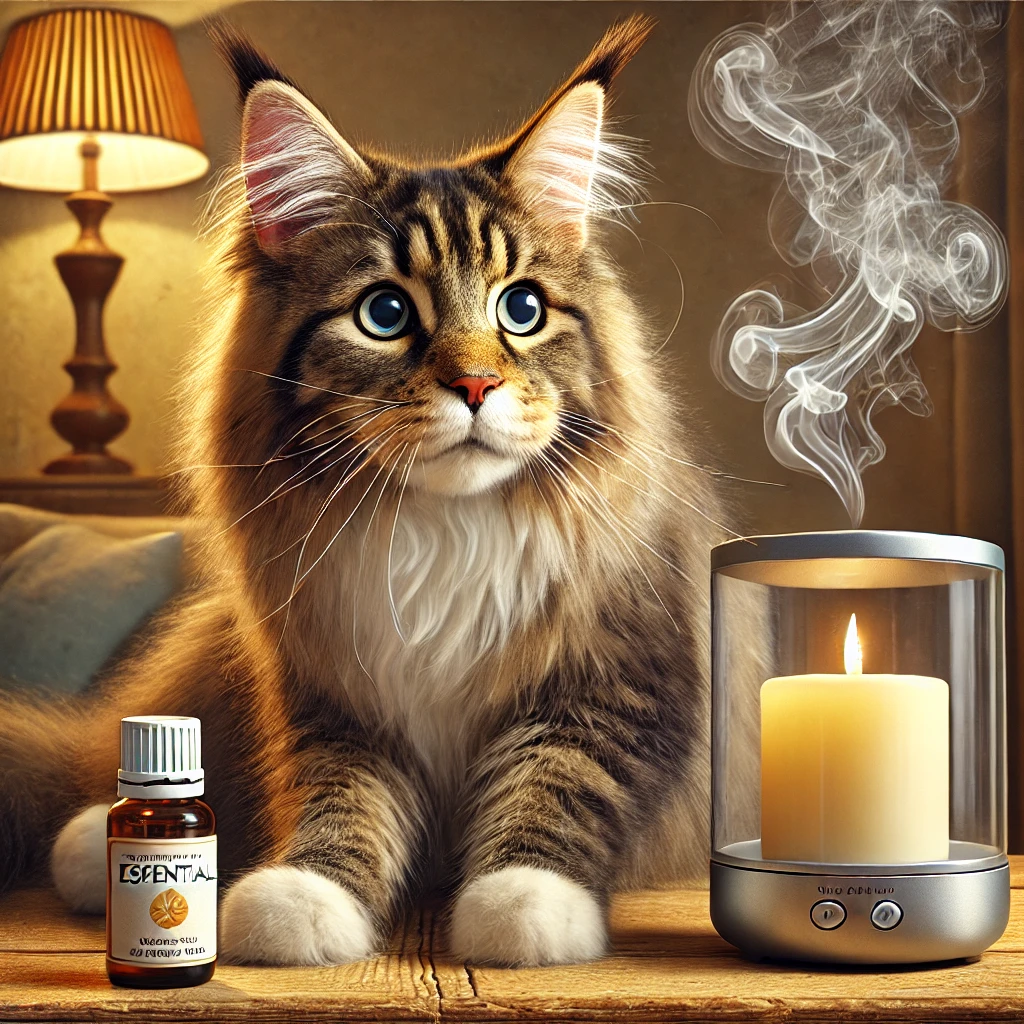
Essential Oils: Some essential oils—such as tea tree, eucalyptus, and citrus oils—are toxic to cats, especially in concentrated forms. Diffusers should be used with caution.
Batteries: Cats may be tempted to chew on small batteries, but doing so can cause dangerous chemical burns and toxicity.
6. Human Habits That Pose Risks
Even everyday habits can accidentally expose your Maine Coon to harm. Here are some things to keep in mind:
Unattended Food: Maine Coons are curious and might jump up to sample unattended food, so be mindful of what’s on counters and tables.
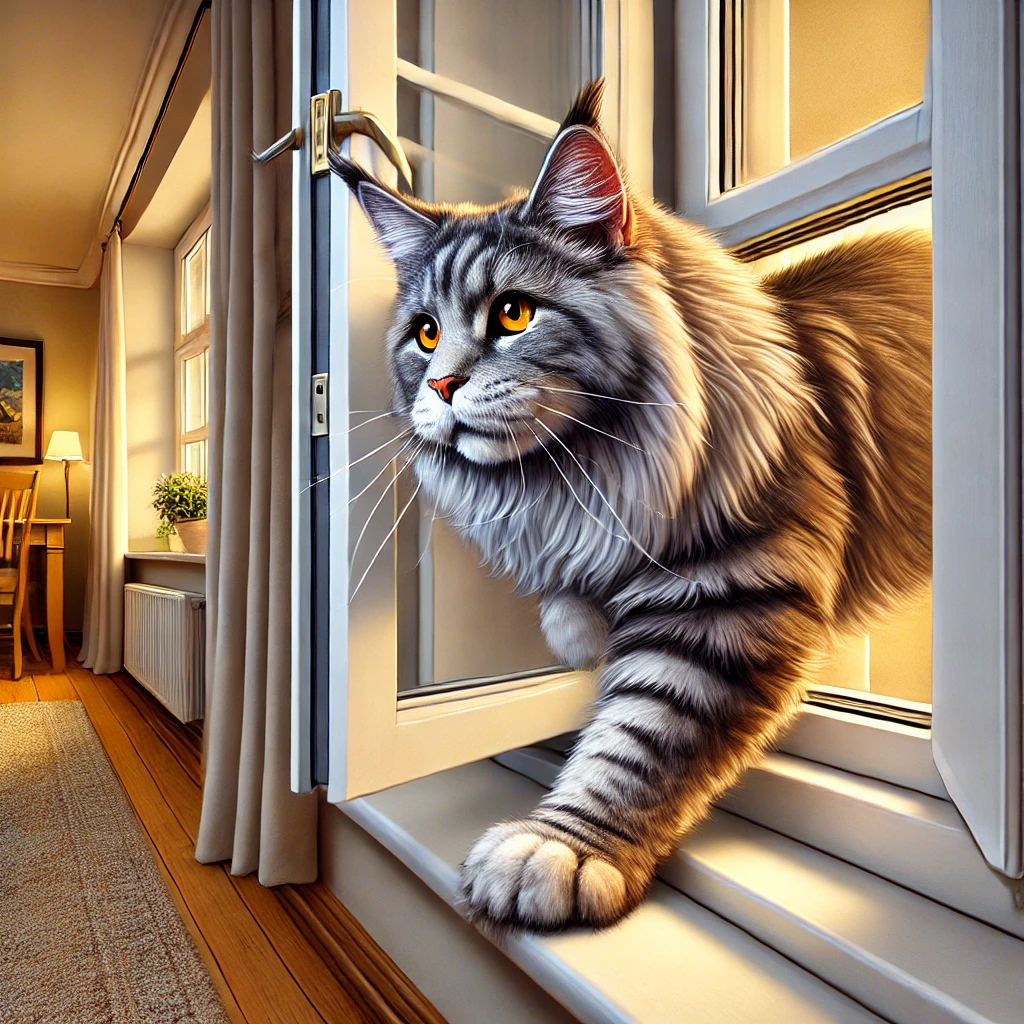
Open Windows: Known for their curiosity, Maine Coons may try to leap out of open windows, which can lead to serious injuries. Consider using secure screens.
Poor Supervision: Cats are great explorers. Ensure harmful substances, small items, and risky areas are kept off-limits to prevent accidents.
Awareness of these toxic items and substances can make a huge difference in keeping your Maine Coon safe and healthy. Regular vet check-ups and a carefully managed home environment are key to preventing accidental exposure. If you ever suspect your cat has come into contact with something harmful, consult your veterinarian immediately. With a bit of extra care and vigilance, you can ensure your Maine Coon enjoys a long, happy, and safe life.
Keeping Your Cat Engaged: Tips to Prevent Boredom
Cats are curious and intelligent creatures, and without proper stimulation, they can quickly become bored, leading to behavioral issues and stress. Ensuring your cat is mentally and physically engaged is essential for their well-being. Here are some effective strategies to keep your feline friend entertained and happy.

Cats are curious and intelligent creatures, and without proper stimulation, they can quickly become bored, leading to behavioral issues and stress. Ensuring your cat is mentally and physically engaged is essential for their well-being. Here are some effective strategies to keep your feline friend entertained and happy.
1. Interactive Playtime
Engaging your cat in regular play sessions is one of the best ways to keep them stimulated. Here are some ideas:
Wand Toys: These encourage your cat to leap and pounce, mimicking hunting behavior. Rotate toys to keep things fresh and exciting.
Laser Pointers: Cats love to chase the light, providing both physical exercise and mental stimulation. Just be sure to end the session with a tangible toy so they can “catch” something.

2. Puzzle Feeders and Treat Dispensers
Using puzzle feeders can turn mealtime into a stimulating activity. These devices require your cat to work for their food, encouraging problem-solving and keeping them mentally engaged. You can also hide treats around the house to encourage exploration and hunting instincts.

3. Enriching the Environment
Create a stimulating environment for your cat by incorporating:
Cat Trees and Shelves: Providing vertical space allows your cat to climb, explore, and survey their territory. Look for multi-level cat trees that offer various scratching surfaces and hideouts.
Window Perches: Cats love watching the outside world. A window perch can provide hours of entertainment as they observe birds, squirrels, and passing vehicles.

4. Variety of Toys
Offer a variety of toys to keep your cat engaged. Rotate toys every few weeks to keep their interest piqued. Consider different types of toys, such as:
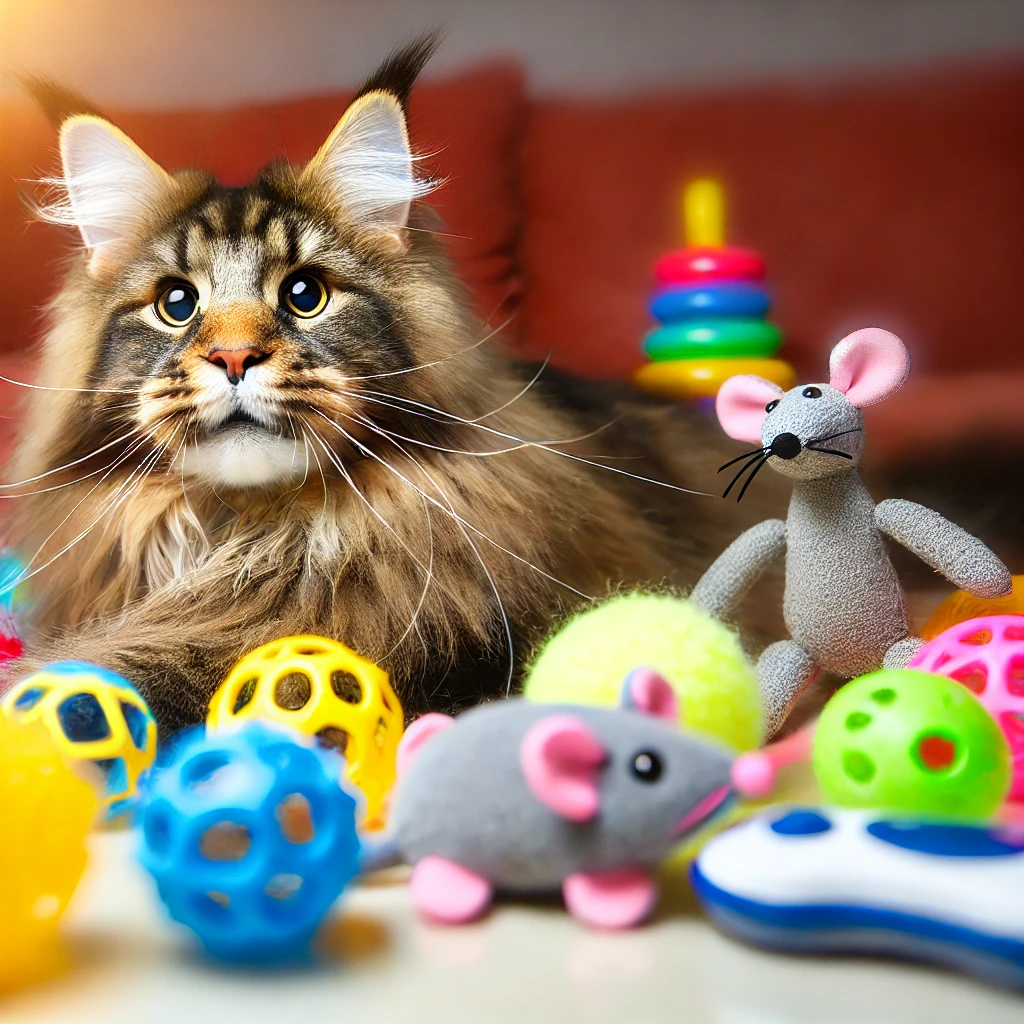
Balls and Mice: Soft toys that they can bat around and carry.
Electronic Toys: Battery-operated toys that move or make noise can capture your cat’s attention.
Crinkly Toys: Many cats are attracted to the sound of crinkling materials, so look for toys that provide auditory stimulation.

5. Scheduled Playtime
Set aside specific times each day for interactive play with your cat. Consistency helps your cat understand when they can expect attention and stimulation. Aim for at least 15-20 minutes of playtime each day.

6. Engage Their Senses
Cats are sensory-driven creatures. Use toys that stimulate different senses:
Scented Toys: Consider toys infused with catnip or other enticing scents.
Textured Toys: Provide toys with different textures to engage their sense of touch.

7. Social Interaction
If you have multiple pets, ensure they have opportunities to interact. Cats often enjoy playing together, but monitor their interactions to ensure they’re positive. If your cat is an only pet, consider spending extra quality time with them or adopting another friendly cat.

8. Training and Tricks
Cats can learn tricks, just like dogs! Use positive reinforcement to teach your cat commands like “sit” or “high five.” This not only stimulates their mind but also strengthens your bond.

9. Outdoor Exploration
If safe and feasible, consider supervised outdoor time. A harness and leash can allow your cat to explore the great outdoors while staying safe. Alternatively, you can set up a catio (an enclosed outdoor space) for them to enjoy fresh air and sights.

10. Monitor Behavior
Pay attention to your cat’s behavior. Signs of boredom can include excessive meowing, destructive behavior, or over-grooming. If you notice these signs, it may be time to introduce new activities or toys.
Preventing boredom in your cat is vital for their mental and physical health. By providing a stimulating environment, engaging in regular play, and offering a variety of toys and activities, you can keep your feline friend happy and content. Remember, a well-stimulated cat is a healthy and well-adjusted companion, ready to bring joy to your home.
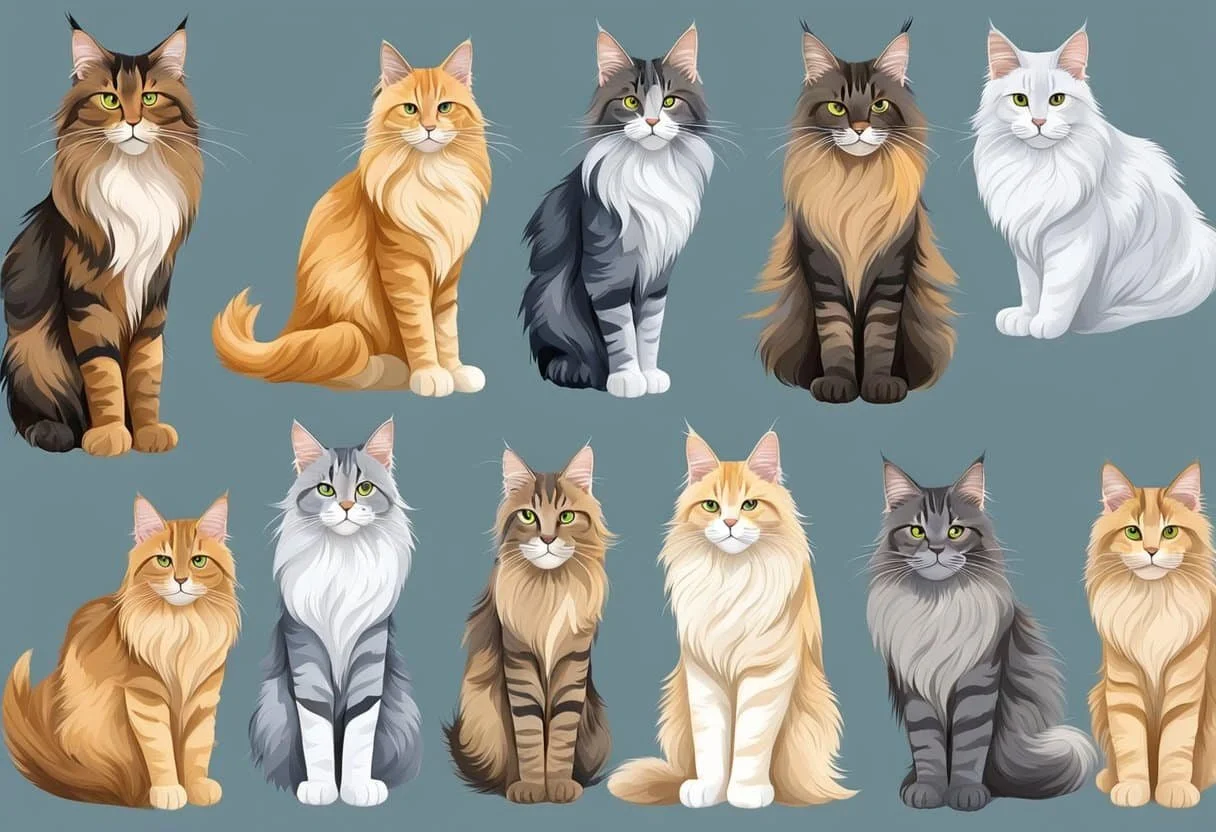
Exploring the 75 Color Variations of Maine Coon Cats
Maine Coon cats are not only celebrated for their impressive size and friendly nature but also for their stunning variety of colors and patterns. Here’s a closer look at the diverse color palette of Maine Coons and what makes each variation unique.
Maine Coon cats are not only celebrated for their impressive size and friendly nature but also for their stunning variety of colors and patterns. With around 75 recognized color variations, these gentle giants can be found in almost every shade imaginable. Here’s a closer look at the diverse color palette of Maine Coons and what makes each variation unique.
Understanding Maine Coon Color Patterns
Maine Coons come in several distinct color patterns, including:
1. Solid Colors: These include shades like black, white, blue, and cream. A solid-colored Maine Coon is striking and can have a glossy, vibrant coat.
2. Tabby Patterns: One of the most common patterns, tabbies can be found in:
Classic Tabby: Features bold swirls or marbling.
Mackerel Tabby: Characterized by narrow stripes running down the sides.
Spotted Tabby: Displays spots on the body, resembling a wildcat.
Ticked Tabby: Shows a pattern where each hair is banded with different colors.
3. Bi-Color: These cats have a combination of two colors, typically white paired with another color. This pattern can appear in various forms, including the "mask and mantle" style.
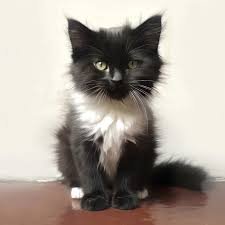
4. Tortoiseshell: Tortoiseshell Maine Coons, or “torts,” have a mottled coat featuring shades of black, red, and cream. The pattern is unique and often results in striking individual variations.
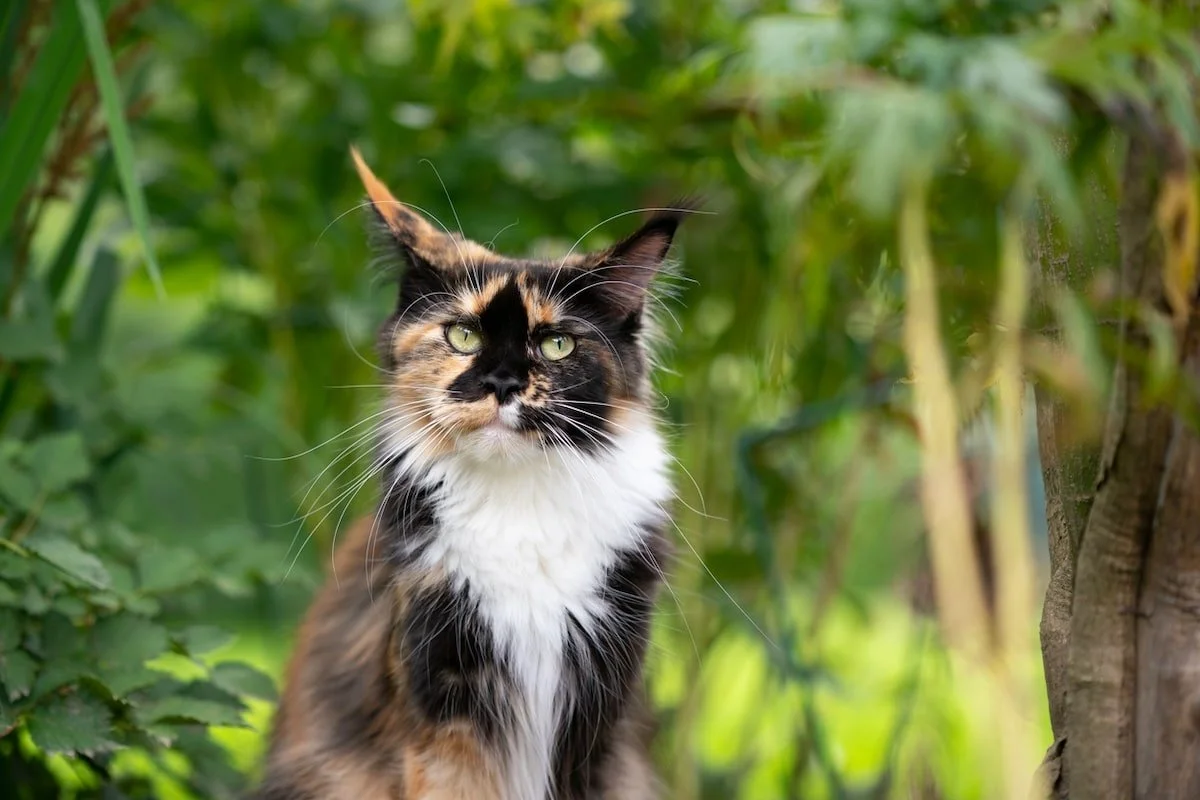
5. Calico: Similar to tortoiseshell but with distinct white patches, calicos are primarily female and showcase a beautiful mix of colors.
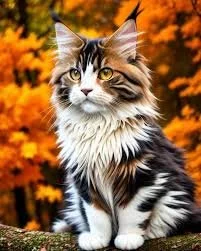
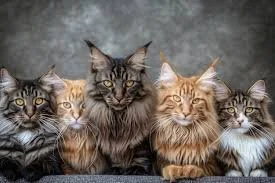
6. Smoke and Shaded: Smoky Maine Coons have a lighter undercoat with darker tips, giving them a ghostly appearance. Shaded variations have a more blended effect with darker colors at the tips of the fur.
Popular Color Variations
While all color variations have their charm, some stand out among enthusiasts:
Blue Maine Coons: This soft gray shade is highly sought after and has a regal appearance.
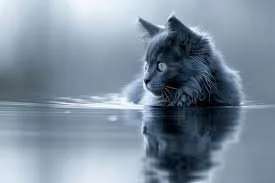
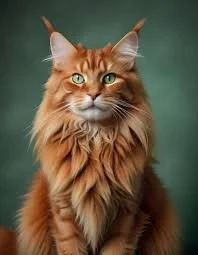
Red Tabby: Known for their vibrant, warm tones, red tabbies have a striking presence.
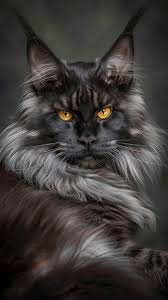
Silver and Smoke: Silver Maine Coons often have a shimmering coat, while smoke varieties present an intriguing contrast of light and dark.
The Genetics Behind Color Variations
The wide range of colors in Maine Coons is attributed to their complex genetics. Various genes control the base color, patterns, and markings. The interplay between dominant and recessive genes creates the multitude of variations seen in this breed.
Choosing the Right Color for You
When selecting a Maine Coon, consider that color and pattern can influence their overall personality and temperament. While individual personalities vary, certain colors might appeal to specific owners due to aesthetic preferences or the unique traits associated with those patterns.
Maine Coon cats are a tapestry of colors and patterns, each variation adding to the breed's charm and allure. Whether you prefer the classic solid colors, the intricate patterns of tabbies, or the unique beauty of tortoiseshells and calicos, there's a Maine Coon for everyone. Embracing this diversity not only enriches the breed but also offers a deeper appreciation for these magnificent felines. If you're considering adding one to your family, remember that each Maine Coon, regardless of color, brings a unique personality and love into your home.
Should You Get a Maine Coon Cat?
Maine Coon cats are often regarded as one of the most endearing and captivating breeds. Their size, intelligence, and sociable nature make them a popular choice for many cat lovers. However, before deciding to bring one of these gentle giants into your home, it's essential to consider several factors to ensure that a Maine Coon is the right fit for your lifestyle. Here’s what you need to know.

Maine Coon cats are often regarded as one of the most endearing and captivating breeds. Their size, intelligence, and sociable nature make them a popular choice for many cat lovers. However, before deciding to bring one of these gentle giants into your home, it's essential to consider several factors to ensure that a Maine Coon is the right fit for your lifestyle. Here’s what you need to know.
1. Understanding the Breed
Maine Coons are known for their large size, tufted ears, and bushy tails. They are often referred to as “gentle giants” due to their friendly disposition. These cats are typically affectionate and social, forming strong bonds with their human families. They enjoy companionship and are known to get along well with children and other pets.
2. Space Requirements
Due to their size and playful nature, Maine Coons thrive in spacious environments. If you live in a small apartment, consider whether you can provide enough room for them to roam and explore. They love climbing, so having cat trees or shelves can help fulfill their need for vertical space.
3. Time and Attention
Maine Coons require time and interaction. They enjoy playtime and mental stimulation, so be prepared to dedicate time each day for activities and bonding. If you have a busy lifestyle or travel frequently, consider whether you can provide enough attention to keep your Maine Coon happy.

4. Grooming Needs
Maine Coons have long, thick fur that requires regular grooming to prevent mats and reduce shedding. Expect to brush your cat several times a week. If you’re not keen on regular grooming or have allergies, this may be a consideration.
5. Health Considerations
While Maine Coons are generally healthy, they can be predisposed to certain genetic conditions, such as hypertrophic cardiomyopathy (HCM). Regular veterinary check-ups and a healthy diet are essential for their well-being. Be prepared for potential health care costs and commitments.
6. Lifespan and Commitment
Maine Coons typically live between 12 to 15 years, sometimes longer with proper care. Adopting a Maine Coon is a long-term commitment, so consider your future plans and whether you can provide a stable environment for a decade or more.
7. Adoption vs. Breeder
Decide whether you want to adopt from a shelter or obtain one from a breeder. Reputable breeders can offer specific traits and lineage. Make sure to do thorough research, regardless of the route you choose.
8. Costs Involved
Consider the financial aspects of owning a Maine Coon. Beyond the initial purchase or adoption fee, factor in food, grooming supplies, vet visits, and potential health care costs. Maine Coons can require a larger investment than some other breeds.
Deciding to bring a Maine Coon into your life can be a rewarding experience, but it’s crucial to consider the responsibilities and commitments involved. If you can provide a loving, engaging, and spacious environment, a Maine Coon could be an excellent addition to your family. With their affectionate nature and playful spirit, these cats are sure to bring joy and companionship for many years to come. If you’re ready for the commitment, a Maine Coon can be a wonderful and cherished member of your household.
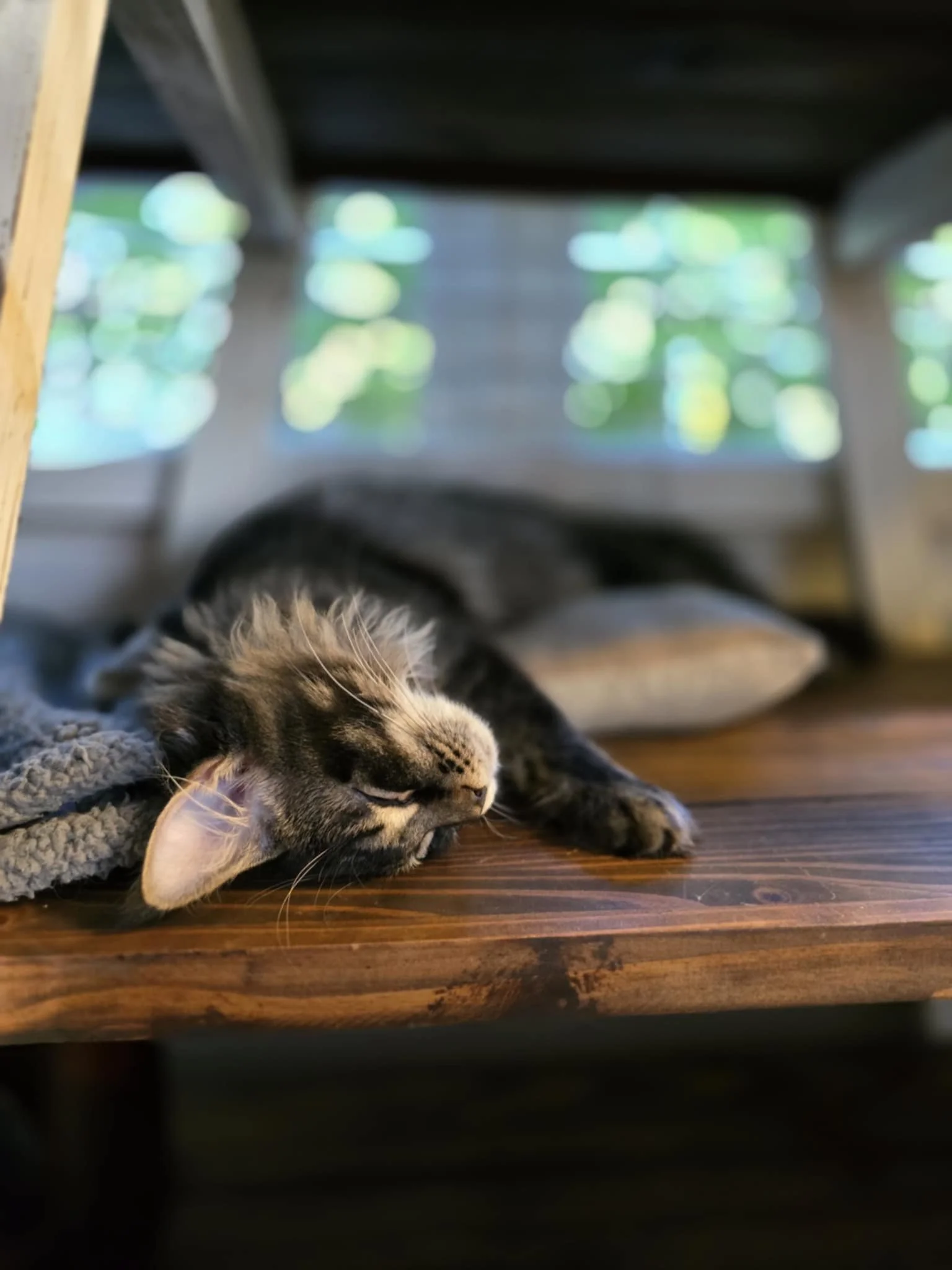
The Majestic Maine Coon Cat: A Guide to This Gentle Giant
Maine Coon cats are one of the most beloved feline breeds, known for their impressive size, striking appearance, and friendly disposition., often referred to as “gentle giants.” If you’re considering adding a Maine Coon to your family or simply want to learn more about this fascinating breed, here’s an overview of their characteristics, care needs, and personality.
Maine Coon cats are one of the most beloved feline breeds, known for their impressive size, striking appearance, and friendly disposition. Originating from the northeastern United States, these cats have a rich history and are often referred to as “gentle giants.” If you’re considering adding a Maine Coon to your family or simply want to learn more about this fascinating breed, here’s an overview of their characteristics, care needs, and personality.

Physical Characteristics
Maine Coons are known for their remarkable size. Adult males typically weigh between 13 to 18 pounds, while females usually range from 8 to 12 pounds. They have a sturdy, muscular build and a long, bushy tail that helps them maintain balance. Their large tufted ears and bushy ruff around the neck contribute to their distinctive appearance.
Their fur is another standout feature. Maine Coons have a thick, water-repellent coat that is soft and silky. This double-layered fur keeps them warm during cold weather, which is a trait that developed from their origins in Maine’s harsh climate. Common color patterns include tabby, solid, and bi-color, among others.
Personality Traits
Maine Coons are known for their friendly and sociable nature. They are often described as “dog-like” in their loyalty and affection toward their human companions. These cats tend to get along well with children and other pets, making them excellent family pets.
Their playful and curious disposition means they enjoy interactive playtime and mental stimulation. Maine Coons are also known for their vocalizations, often communicating with soft trills and chirps rather than the typical meow.
Care and Maintenance
Caring for a Maine Coon involves attention to grooming, nutrition, and health. Their long fur requires regular brushing—ideally a few times a week—to prevent mats and reduce shedding. Pay special attention to the fur around the ears and between the toes, as these areas can accumulate dirt and debris.
A high-quality diet is essential for maintaining their health. Look for cat food that lists real meat as the primary ingredient and is appropriate for their age and activity level. Regular vet check-ups are also important, as Maine Coons can be predisposed to certain genetic conditions, such as hypertrophic cardiomyopathy (HCM).
Training and Enrichment
Maine Coons are intelligent and can be trained to follow basic commands or even perform tricks. Positive reinforcement techniques work best, using treats and praise to encourage good behavior. Providing a variety of toys and engaging activities can help keep your Maine Coon mentally stimulated and prevent boredom.
Maine Coons are truly a remarkable breed, known for their gentle nature, intelligence, and striking appearance. If you’re looking for a loving companion that will fit well into a family setting, a Maine Coon may be the perfect choice. With proper care and attention, these cats can be wonderful additions to your home, bringing joy and companionship for many years to come.