Why Maine Coons Trill and Say “Hello Meows”: A Guide to Their Adorably Chatty Nature
Maine Coons aren’t just regal fluffballs—they’re vocal virtuosos with an entire repertoire of trills, chirps, and “hello meows.” If you’ve ever been charmed by their sweet chatter, you know these gentle giants have a lot to say. Their expressive sounds aren’t just random—they’re full of meaning, personality, and, of course, love.
Let’s explore why Maine Coons are so talkative and what their adorable vocalizations reveal about their thoughts, feelings, and bond with you. Spoiler alert: they’re probably telling you something irresistibly cute.
1. “Hey Human! I’m Here!” – Social Butterflies in Fur Coats
Forget the aloof stereotype—Maine Coons are the extroverts of the cat world. When your Maine Coon greets you with a trill or a cheerful “hello meow,” it’s their way of saying, “I’m here, you’re here—this is amazing!”
These cats thrive on connection, and their vocalizations are part of their charm. Whether you’ve just walked in the door or simply made eye contact across the room, they’ll happily chime in to remind you they’re ready for some quality time.
Pro Tip: Respond to their greeting with a friendly word or two—they love it when you join the conversation!
2. Big Feline Excitement, Packed Into Tiny Trills
For Maine Coons, trilling is the ultimate expression of joy. Are you preparing dinner? Picking up their favorite toy? Coming home from work? Any of these moments might trigger a series of enthusiastic trills.
It’s their way of saying, “This is the best thing ever!”—a vocal happy dance, if you will. Maine Coons have a knack for finding excitement in everyday moments, and their trills are a delightful reminder to share in their joy.
3. Personalized Feline Conversations: Talking in Their Own Unique Way
If your Maine Coon “hello meows” at you, congratulations—you’ve been invited into a conversation. These cats are famously chatty, and their vocalizations often feel like a direct attempt to engage with you.
Whether they’re asking for treats, sharing their thoughts on the state of their food bowl, or simply saying, “What’s up?” their chatter is as entertaining as it is endearing. Pay attention to their tone—each trill or chirp carries a message tailored just for you.
Fun Idea: Try mimicking their sounds back to them. Many Maine Coons will respond, turning it into a full-fledged “conversation.”
4. Unique Feline Charm: No Two Trills Are the Same
Just as every Maine Coon has a distinct personality, their vocalizations are one-of-a-kind. Some have high-pitched, birdlike trills, while others boast a deeper, more melodious “hello meow.”
These sounds are part of what makes your Maine Coon so unique. It’s like they’ve crafted their own signature vocal style—a little trademark that adds to their irresistible charm.
Pro Tip: Listen closely over time, and you’ll start to recognize patterns in their vocalizations, helping you decode their adorable “language.”
5. Love Notes in Sound Form: Strengthening Your Bond
When your Maine Coon trills, chirps, or says “hello,” it’s not just noise—it’s affection in its purest form. These vocalizations are their way of connecting with you, showing they value your companionship.
Every sound is like a tiny love note, a reminder that you’re their favorite person in the world. By responding to their chatter, you’re not just indulging their talkative nature—you’re deepening the bond between you and your gentle giant.
6. Curiosity and Mischief in Every “Hello Meow”
Maine Coons are natural explorers, and their vocalizations often reflect their playful curiosity. That trill you hear might be their way of saying, “Come check this out!” or “Let’s do something fun!”
Whether they’re investigating a new plant, plotting their next zoomies session, or simply keeping tabs on what you’re up to, their chatter is a playful invitation to join in on the adventure.
Pro Tip: Engage with their curiosity by introducing new toys or activities—they’ll reward you with even more adorable vocalizations!
Trills, Chirps, and “Hello Meows” Are Maine Coon Love Letters
Maine Coons don’t just “talk”—they share pieces of their hearts with every trill, chirp, and “hello meow.” These sweet sounds are their way of expressing joy, affection, and curiosity, making everyday moments feel a little more magical.
The next time your Maine Coon greets you with a cheerful trill or engages you in a vocal conversation, take a moment to appreciate the love and personality behind every sound. Their chatter isn’t just cute—it’s a celebration of the special bond you share.
So, listen closely, respond warmly, and enjoy the delightful soundtrack of life with a Maine Coon. After all, those trills and chirps aren’t just sounds—they’re love, joy, and companionship in their purest form.
Why Cat Parents Should Have Cat Trees in Every Room
Cat trees are often seen as a luxury item for feline companions, but they serve much more than just a place to perch. For cat parents, having a cat tree in every room can significantly enhance the quality of life for their furry friends. Here are several compelling reasons to consider this multi-level investment throughout your home.
1. Mental Stimulation
Cats are natural climbers and explorers. Providing cat trees in different rooms gives them opportunities for mental stimulation. The varying heights and levels encourage exploration, curiosity, and play, preventing boredom and reducing the likelihood of behavioral issues.
2. Physical Exercise
Having cat trees in various locations encourages your cat to be active. Climbing, jumping, and playing on the tree helps maintain their physical health and can prevent obesity. Regular exercise is crucial, especially for indoor cats, and cat trees provide a fun way to stay fit.
3. Safe Space to Retreat
Cats are creatures of comfort and security. A cat tree provides a safe and elevated spot for them to observe their surroundings, retreat from stressful situations, or take a nap. Having multiple trees allows them to choose their preferred space, catering to their need for privacy and safety.
4. Territory Marking
Cats are territorial animals. By placing cat trees in different rooms, you give your cat the opportunity to mark their territory. This helps them feel more secure in their environment, as they can establish their presence in various areas of the home.
5. Enhanced Bonding Opportunities
Cat trees can also serve as a gathering spot for interactive play. Having one in each room encourages bonding time between you and your cat. You can engage them with toys, treats, or simply spend quality time together, strengthening your relationship.
6. Reducing Furniture Damage
Cats love to scratch, and without appropriate outlets, they may turn to your furniture. Having cat trees strategically placed around the house provides designated scratching posts. This helps redirect their natural instincts away from your couch and onto the tree, saving your furniture from wear and tear.
7. Improved Sleep Quality
Cats sleep a significant portion of the day, often seeking out comfortable, elevated spots. Cat trees offer soft perches and cozy hideaways where they can nap undisturbed. A well-placed cat tree in a sunlit room can become their favorite sleeping spot, ensuring they get the rest they need.
8. Variety of Options
Having cat trees in different rooms allows for a variety of designs and heights. From large, multi-level trees in the living room to smaller, simpler versions in the bedroom or home office, you can cater to your cat's preferences while enhancing your home’s decor.
9. Encouraging Natural Behavior
Cat trees mimic their natural habitat by providing vertical space for climbing and surveying their territory. This setup encourages natural behaviors, such as climbing, scratching, and playing, contributing to their overall well-being.
10. Easier Integration of New Pets
If you have multiple cats or are considering adding a new feline friend, having several cat trees helps facilitate smoother introductions. Each cat can have their own space to retreat to, reducing stress and promoting harmony in a multi-pet household.
Conclusion
Investing in cat trees for every room is not just a luxury; it’s a practical decision that enhances your cat’s quality of life. From providing mental stimulation and physical exercise to creating safe spaces and preventing furniture damage, the benefits are plentiful. By making your home a cat-friendly environment with plenty of climbing opportunities, you’ll foster a happy, healthy, and well-adjusted feline companion. So go ahead, elevate your home (and your cat’s experience) with the addition of cat trees in every room!
🧸Toy Review: Raeya & Baron’s Pick: Silvervine Chew Toys They Go Bonkers For
At Safe Harbour Maine Coons, we’re always on the lookout for cat enrichment toys that actually hold up—and get our cats excited. These silvervine chew toys have quickly become a house favorite, especially for our mackerel tabby queen Raeya and our flame point goofball, Baron.
🌿 What is Silvervine?
Silvervine is like catnip’s cool older cousin. While not every cat reacts to catnip, silvervine often succeeds where catnip fails. It’s a natural plant known to stimulate play and relaxation in cats—and based on our results, the hype is real.
🧪 The Results: Cat-Tested, Coon-Approved
✔ Raeya goes wild, then melts into a purring puddle.
Raeya doesn’t always care for toys, but silvervine brings out her playful side. After a few minutes of intense bunny-kicking and chewing, she usually flops dramatically and zones out in total bliss. If you’ve ever wanted to see a Maine Coon go from “huntress” to “snuggle blob” in 30 seconds flat—this is the toy.
✔ Baron carries them around like trophies.
Baron lives for these. He picks his favorite stick, parades around with it in his mouth like a lion showing off a fresh catch, then settles down to chew like it’s the best thing he’s ever tasted. The only challenge? Making sure he doesn’t hoard them all in one hiding spot.
⭐ What Other Cat Parents Are Saying
“My cat shows no interest in catnip—but these? She’s gone BONKERS. In a good way.”
“My picky cat actually played with these—and they held up better than expected!”
“Cat is OBSESSED. They didn’t smell at all. My only complaint? The feathers come off quickly.”
“There’s something in this set for every cat. Better than all the $25 toys I’ve bought!”
While a few reviews mention concerns about feathers falling off or toys being too slim for big chewers, the majority agree: the variety and durability make these a fantastic value.
🧶 Safe Harbour Tip:
We keep a few in a basket and rotate them weekly to keep things fresh. Pro tip? If one starts to lose scent, scratch it lightly or rub it on a towel to reactivate some of the oils.
📦 Where to Get Them
We found ours on Amazon here: Silvervine Chew Toys – Variety Pack
(The link is not affiliate… yet. We’re working on joining the Amazon Associates program so future reviews may include affiliate links—but for now, we just genuinely love sharing what works!)
✨ Final Verdict:
✅ Affordable
✅ Durable (with a few feather caveats)
✅ 100% approved by two very discerning Maine Coons
These are now part of our weekly toy rotation—and judging by the tooth marks, they’re getting plenty of use.
❗Not Sponsored (Yet 😉)
We are not affiliated with Orijen or Amazon… for now! This blog contains regular product links, not affiliate ones—just a Maine Mama sharing what works in her home.
Disclosure: These are not affiliate links (yet!). We’re sharing because we love this food and it works wonders for our cats. If we join an affiliate program later, we’ll update this post with full transparency.
🐾 Have Questions?
Drop us a DM on TikTok or Instagram @SafeHarbourMaineCoons, or send us an email—we’re always happy to chat feline nutrition.
Why Red Maine Coons Will Steal Your Heart (And Look Fabulous Doing It)
If you’re searching for a cat that’s as stunning as it is loving, look no further than the red Maine Coon. With their fiery coats, impressive size, and playful personalities, these cats are nothing short of breathtaking. Known for their charm and intelligence, red Maine Coons are the perfect combination of beauty and companionship. Here’s why these majestic cats will win your heart—and your home—in no time.
What Makes Red Maine Coons So Alluring?
1. Fiery, One-of-a-Kind Coats
A red Maine Coon’s coat is pure artistry. From deep copper to warm cinnamon and sunset orange, their fur exudes warmth and elegance. Many boast striking tabby patterns—swirls, stripes, or spots—that add extra flair to their look. And it’s not just about appearance—their thick, water-resistant fur is built for comfort and durability, making them look like they’ve stepped out of a fairytale.
2. Majestic Size That Demands Attention
Red Maine Coons are one of the largest domestic cat breeds, and their size only adds to their allure. Males can weigh 13–18 pounds or more, while females aren’t far behind. With their muscular build, bushy tails, and commanding presence, they exude confidence. Add in their lush red coats, and you’ve got a cat that’s impossible to ignore.
3. Wild Yet Regal Lynx-Like Features
Red Maine Coons often sport ear tufts, high cheekbones, and a strong, square jawline that give them a wild, lynx-like appearance. But don’t let their fierce looks fool you—these cats are all about love, play, and cuddles.
Personality Traits: Why Red Maine Coons Make the Best Companions
1. Affectionate Gentle Giants
Red Maine Coons are the definition of “gentle giants.” Despite their size, they’re sweet, loving, and form deep bonds with their humans. They thrive on companionship and will often follow you around, acting as your loyal (and fluffy) shadow. If you want a cat that truly feels like part of the family, this is the one.
2. Endlessly Playful
These cats keep their kitten-like energy well into adulthood. From chasing feather wands to pouncing on toys, they’re always ready for fun. Their playful antics, combined with their size, often lead to hilariously entertaining moments that you’ll treasure forever.
3. Intelligent and Curious
Red Maine Coons are more than just a pretty face—they’re incredibly smart. They’re quick learners who enjoy solving puzzles and even learning tricks. Curious and adventurous, they’ll explore every nook and cranny of your home, making life with them full of surprises.
4. Sociable and Adaptable
Whether you live in a busy household with kids and pets or a quieter environment, red Maine Coons fit right in. They’re known for their friendly, easygoing nature and charm everyone they meet. Think of them as the ultimate “host” cat, always ready to greet guests with a purr.
How to Keep Your Red Maine Coon Looking and Feeling Their Best
1. Grooming: Show That Coat Some Love
Their glorious fur does need a little TLC. Regular brushing (about 2–3 times a week) keeps their coat smooth, reduces shedding, and prevents tangles. During shedding seasons, more frequent grooming is a good idea. Bonus? Grooming sessions are a great way to bond with your cat.
2. Nutrition: Feed Them Like Royalty
A red Maine Coon’s size and coat require high-quality food packed with protein and essential nutrients. Consult your vet for diet recommendations, and don’t forget to treat them occasionally—just not too often! A well-fed Maine Coon is a happy, healthy Maine Coon.
3. Vet Visits: Stay Ahead of Health Issues
While Maine Coons are generally healthy, routine vet checkups are essential. Staying up-to-date on vaccinations, dental care, and regular exams will help your Maine Coon thrive for years to come.
Is a Red Maine Coon Right for You?
Bringing a red Maine Coon into your life means welcoming a cat that’s as loving as they are beautiful. With their fiery coats, playful energy, and gentle personalities, these cats light up any home they enter. They’re more than pets—they’re companions, entertainers, and a constant source of joy.
So, if you’re ready for a cat that will steal your heart and add a splash of warmth and elegance to your life, a red Maine Coon might be your perfect match. Just be prepared—once you’ve experienced the magic of a red Maine Coon, there’s no going back!
Why Two Maine Coon Kittens Are Better Than One
Bringing a Maine Coon kitten into your home is a delightful experience, but have you considered the benefits of adopting two? While each kitten is a joy in its own right, there are numerous advantages to welcoming a pair of these charming felines. Here’s why two Maine Coon kittens can be even better than one.
1. Companionship and Socialization
Maine Coons are known for their friendly and social nature. Having two kittens allows them to bond with each other, providing companionship that can help reduce loneliness and anxiety. They will engage in play, grooming, and cuddling, forming a close bond that enriches their lives.
2. Enhanced Playtime
Kittens are energetic and playful, and having a sibling means endless entertainment. They will entertain each other, chasing, wrestling, and exploring together. This natural play can help burn off energy, leading to a calmer household, especially during those lively kitten months.
3. Less Stress for You and Them
When left alone, a single kitten may experience separation anxiety, leading to behavioral issues like excessive meowing or destructive behavior. Two kittens can keep each other company, reducing stress for both you and your pets. They’ll have a playmate to rely on when you’re busy or away.
4. Learning and Development
Kittens learn valuable social skills from each other, such as bite inhibition and proper play behavior. Watching and interacting with a sibling helps them develop better manners and confidence, making them more well-adjusted adults.
5. Easier Transitions
Introducing a new pet can sometimes be stressful for both the existing pets and the new arrival. By adopting two kittens at the same time, you can minimize the adjustment period. They can help each other acclimate to their new environment, making the transition smoother for everyone involved.
6. Double the Love and Affection
With two Maine Coons, you double the affection and companionship. Each kitten has its own personality, and watching their unique traits emerge can be a source of endless joy. Plus, they often seek out attention and affection from their human family together, creating heartwarming moments.
7. Shared Expenses
While there are additional costs associated with having two pets, many expenses can be shared. From food and litter to toys and vet visits, you may find that some costs are lower per kitten when you consider the benefits of bulk buying and shared resources.
8. Increased Activity Levels
Maine Coons are large, active cats that require regular exercise. Having two kittens encourages more physical activity, as they play and explore together. This can help keep them healthy and prevent obesity, which is important for their long-term well-being.
9. Less Loneliness When You’re Away
Whether it’s for work or vacation, being away from home can be tough on pets. Two kittens will keep each other company, reducing the feelings of loneliness that a single kitten might experience. This can lead to a more content and balanced feline household.
10. Creating Lasting Bonds
Watching two kittens grow and develop their personalities together is a rewarding experience. They’ll create their own unique bond, and as they grow into adulthood, their friendship will remain a beautiful aspect of your home.
Conclusion
While one Maine Coon kitten is sure to bring joy and companionship, adopting two can enhance the experience exponentially. From increased socialization and playtime to reduced stress and shared love, the benefits are plentiful. If you’re considering adding a Maine Coon to your family, think about welcoming a pair for an even more rewarding journey together. Enjoy the delightful chaos and endless affection that comes with having two playful, loving Maine Coons!
🌀 Toy Review: Spring Coil Cat Toys – Slinky Soccer Champions of Safe Harbour
If you’ve spent five minutes in our home, you’ve probably seen a colorful blur flying across the floor—followed by a Maine Coon in hot pursuit. Welcome to our daily tournament of Slinky Soccer, starring everyone’s favorite affordable toy: the Spring Coil Cat Toys (affiliate link).
We’ve tested everything from fancy robotic lasers to plush mice with feathers, but these simple plastic coils remain undefeated in the Safe Harbour toy hall of fame.
🐾 Why We (and Thousands of Cats) Love Them
✅ Endless Entertainment
These little springs bounce, roll, launch, and skitter across all types of floors—making them totally irresistible to cats of all ages.
“My cats play with these springs soooo much. They love them.” – Bernadette
“Best cat toy ever! I keep a supply where my cat can pull a new one out when the last gets lost.” – Whitney
✅ Perfect for Carrying & Tossing
Our kittens love grabbing them in their mouths and parading around like they just caught the world’s most exciting prey.
“They bat them around and carry them everywhere!” – Anne
“Great for keeping the cats entertained while I’m working.” – Stevyn
✅ Durable and Flexible
These coils take a beating. From daily fetch sessions to wild solo sprints across the living room, they hold their shape and bounce right back.
“They don’t lose shape—even after serious play.” – Bernadette
“If you step on them, they bounce back into shape.” – C. Fye
✅ Incredible Value
Most reviewers agree—60 springs for under $10 is an amazing deal, especially considering how many inevitably vanish under the couch.
“60 for $7? I was sold! I’ve paid $3 for 10 in stores.” – Victoria
“Enough to cover the ones ‘lost’ around the house!” – Patricia P.
⚠️ What to Know Before You Buy
They Disappear Like Magic
Much like socks in the dryer, these springs will go missing under couches, fridges, and dressers. But with 60 in the pack, you’ll always have backups.Mixed Size Opinions
Some customers say the coils are the perfect size; others find them a bit small for very large cats. We’ve had no issue—even our biggest boys go nuts for them.Color Variety is Fun (but No Purple 😿)
Most packs come with dark blue, green, yellow, and hot pink—though some cats may develop a preference. (Sorry, no purple yet, Cataptra!)
🛍️ Our Verdict: Budget-Friendly Joy in Every Bounce
Whether you’re raising kittens or trying to enrich the day of a seasoned floof, these spring toys are a no-brainer. They’re bright, durable, and bring out the athlete in every cat.
🛒 Pick up a pack here:
Click to shop on Amazon (affiliate link – every purchase helps support our Maine Coons and their toy-testing obsession!)
🐾 Shadow’s Take:
“These springs are life. I play Slinky Soccer with myself. I carry them around like treasure. If they go under the fridge—I yell until the humans fix it.”
– Shadow, Silver King of the Spring League
❗Not Sponsored (Yet 😉)
We are not affiliated with Orijen or Amazon… for now! This blog contains regular product links, not affiliate ones—just a Maine Mama sharing what works in her home.
Disclosure: These are not affiliate links (yet!). We’re sharing because we love this food and it works wonders for our cats. If we join an affiliate program later, we’ll update this post with full transparency.
🐾 Have Questions?
Drop us a DM on TikTok or Instagram @SafeHarbourMaineCoons, or send us an email—we’re always happy to chat feline nutrition.
How to Keep Your Maine Coon Cat Safe Outdoors: A Guide for Millennial Women with Adventurous Fur Babies
Your Maine Coon isn’t just a cat—they’re your majestic, curious sidekick with a thirst for adventure. And while the great outdoors offers endless fun, it also comes with risks. So how do you let your Maine Coon roam (safely) while channeling those adventurous vibes?
Here’s your ultimate guide to keeping your Maine Coon happy, safe, and Instagram-ready during their outdoor escapades.
Your Maine Coon isn’t just a cat—they’re your majestic, curious sidekick with a thirst for adventure. And while the great outdoors offers endless fun, it also comes with risks. So how do you let your Maine Coon roam (safely) while channeling those adventurous vibes?
Here’s your ultimate guide to keeping your Maine Coon happy, safe, and Instagram-ready during their outdoor escapades.
1. Supervised Outdoor Adventures = Best Adventures
Freedom feels great, but it should come with boundaries. Supervised outings keep your Maine Coon safe while feeding their explorer spirit.
• Leash Training: Invest in a comfortable, escape-proof harness and leash, and train your Maine Coon to enjoy walks by your side. It’s not just safer—it’s a whole vibe. Bonus: think of the content possibilities.
• Build a Catio: A “catio” (cat patio) is a secure, enclosed outdoor space where your Maine Coon can soak up the sun and watch the world go by. Think of it as their personal outdoor lounge—and your backyard’s new centerpiece.
Tip: Add plants like cat grass or catnip to the catio for extra entertainment!
2. Microchip + Cute ID Tag = Double Safety
Your Maine Coon’s explorer instincts can sometimes lead to unexpected solo adventures. Be prepared with proper identification:
• Microchip: A microchip offers permanent, scannable ID linked to your contact info. It’s the ultimate backup plan if your fur baby decides to freelance.
• Breakaway Collar: Choose a breakaway collar with an ID tag that’s as stylish as it is functional. Include your phone number for quick returns if a neighbor finds them.
Pro Tip: Regularly check the fit of their collar to ensure it’s snug but safe.
3. Secure the Yard Like a Pro
If your Maine Coon gets yard privileges, make sure it’s a safe haven for their outdoor play.
• Cat-Proof Fencing: Install a secure fence with inward slants to prevent climbing or escaping. Your yard becomes their personal jungle without the risks.
• Yard Inspection: Do a quick safety sweep before playtime. Remove sharp tools, toxic plants, or small spaces they could squeeze into.
Extra Touch: Create a designated “cat zone” with toys, scratching posts, and shady spots for ultimate outdoor relaxation.
4. Wildlife Awareness: Watch for Furry or Feathered Frenemies
Your Maine Coon may be large, but they’re not invincible. Protect them from potential wildlife dangers:
• Predator Awareness: Keep an eye out for hawks, coyotes, or neighborhood dogs. Supervision is especially important during early mornings or evenings when wildlife is more active.
• No Invitations: Keep trash sealed and avoid leaving pet food outside to prevent curious critters from wandering into your yard.
Tip: Adding motion-activated lights can deter unwanted visitors.
5. Create a Cozy Outdoor Lounge
Adventuring is hard work—make sure your Maine Coon has a comfortable retreat to recharge.
• Shade for Hot Days: Provide shaded areas like a tree, umbrella, or a cat-friendly canopy. Even a collapsible pet tent works!
• Weather-Proof Shelter: For longer outdoor sessions, set up a small, weather-resistant shelter where they can escape rain or wind. Your Maine Coon will thank you for their five-star outdoor lounge.
6. Know Where NOT to Go
Some areas are just not worth the risk—no matter how curious your cat may be.
• Busy Streets: Traffic and cats don’t mix. Keep your Maine Coon far from roads or high-traffic areas, even on a leash.
• Construction Zones: Sharp debris, machinery, and toxic materials make construction sites a no-go for your fur baby.
7. Bring Them Inside When It’s Time
Even the most adventurous Maine Coons need limits. Know when outdoor fun becomes unsafe.
• Extreme Weather: If it’s too hot, too cold, or too stormy for you, it’s too much for your cat. Keep them cozy indoors on those intense weather days.
• Nighttime Curfew: The dark brings more risks, including predators and reduced visibility. Call your Maine Coon in as the sun sets for their safety.
Reminder: Cats may resist, but a well-timed treat or toy can make indoor transitions smoother.
8. Keep Health in Check for a Happy Explorer
Outdoor time introduces new risks, but staying on top of their health helps minimize them.
• Flea & Tick Protection: Ensure your Maine Coon is on preventive medication to avoid unwanted pests hitching a ride.
• Regular Vet Visits: Routine check-ups and up-to-date vaccinations are crucial, especially if your cat spends time outside. Let your vet know about their outdoor habits to stay ahead of potential health concerns.
Adventure Safely, Fur Mama
Sharing outdoor adventures with your Maine Coon can be a rewarding, joyful experience—but only if it’s done with safety in mind. From leash training and cozy catios to microchips and regular vet care, a little preparation goes a long way in protecting your adventurous fur baby.
So grab your harness, set up that catio, and get ready to enjoy the fresh air together. With the right steps, your Maine Coon can safely explore the world by your side—giving you endless stories (and cute pics!) to cherish.
Health Concerns Every Maine Coon Owner Should Know About
Maine Coons are adored for their enormous size, luxurious coats, and affectionate nature. While they’re generally healthy and sturdy cats, their unique genetics and size can make them prone to certain health challenges. Understanding these potential issues can help you keep your Maine Coon happy and healthy for years to come. Here’s an easy-to-read guide on common health concerns for Maine Coons and what you can do to care for them.
1. Heart Health: Watch Out for Hypertrophic Cardiomyopathy (HCM)
One of the most serious health concerns for Maine Coons is hypertrophic cardiomyopathy (HCM), a heart condition that thickens the heart walls, disrupting blood flow. It’s hereditary and particularly common in this breed.
Signs of HCM:
• Lethargy
• Breathing problems
• Loss of appetite
• Sudden collapse
How to Help:
• Vet Checkups: Regular heart ultrasounds can catch HCM early.
• Genetic Testing: If you’re buying a Maine Coon kitten, ask breeders if they test for HCM.
• Watch for Changes: A sudden drop in activity or labored breathing means it’s time to call your vet.
2. Hip Dysplasia: Protect Those Hips
Because of their size and muscular build, Maine Coons are at risk of hip dysplasia, where the hip joint doesn’t fit properly. This can cause arthritis and mobility problems.
Signs of Hip Dysplasia:
• Limping or stiffness
• Trouble jumping or climbing
• Reduced playfulness
How to Help:
• Keep Them Fit: A healthy weight reduces stress on joints.
• Joint Supplements: Ask your vet about glucosamine or omega-3s.
• Gentle Play: Encourage low-impact activities to protect their hips.
3. Muscle Weakness: Spinal Muscular Atrophy (SMA)
Spinal muscular atrophy (SMA) is a rare genetic condition that weakens a Maine Coon’s hind legs. It’s not painful, but it can make mobility challenging.
Signs of SMA:
• Wobbly walking
• Muscle weakness, especially in the back legs
• Difficulty jumping
How to Help:
• Make Life Easier: Use pet steps or ramps to help them reach higher spots.
• Gentle Play: Stick to activities that don’t strain their muscles.
• Screen Your Breeder: Responsible breeders test for SMA, so always ask.
4. Kidney Concerns: Polycystic Kidney Disease (PKD)
While not as common, Maine Coons can develop polycystic kidney disease (PKD), where cysts grow in their kidneys and may lead to kidney failure.
Signs of PKD:
• Increased thirst
• Frequent urination
• Weight loss or lethargy
How to Help:
• Routine Vet Visits: Blood tests and ultrasounds can detect PKD early.
• Stay Hydrated: Always have fresh water available and consider wet food for extra moisture.
• Diet Matters: A kidney-friendly diet can help manage symptoms.
5. Keep an Eye on Their Weight: Obesity
Maine Coons are naturally big, but extra weight can harm their joints and heart. Obesity is a serious concern for this breed.
Signs of Obesity:
• No visible waistline
• Low energy or reluctance to play
• Difficulty grooming
How to Help:
• Portion Control: Follow feeding guidelines and avoid overfeeding.
• Active Play: Maine Coons love to play—use interactive toys to keep them moving.
• Monitor Their Weight: Regular weigh-ins help you catch weight changes early.
6. Dental Health: Don’t Forget Those Teeth!
Dental issues like gingivitis and periodontal disease are common in cats, including Maine Coons. Poor oral health can lead to infections that spread to other organs.
Signs of Dental Problems:
• Bad breath
• Drooling or difficulty chewing
• Swollen or bleeding gums
How to Help:
• Vet Cleanings: Schedule regular dental cleanings.
• At-Home Care: Brush their teeth or use dental treats and toys.
• Special Food: Some dry foods are designed to reduce plaque.
How to Keep Your Maine Coon Healthy and Happy
By being proactive and informed, you can help your Maine Coon thrive:
• Regular vet visits are a must.
• Provide a balanced diet tailored to their needs.
• Watch for changes in behavior or health and act quickly.
These gentle giants aren’t just pets—they’re family. With proper care and attention, you’ll enjoy many years of love, play, and companionship with your Maine Coon. Being prepared for their unique health needs means a happier, healthier life for your furry friend!
🧶 Toy Review: The Ultimate Motorized Teaser Toy Our Cats Can’t Get Enough Of!
At Safe Harbour Maine Coons, we’re constantly on the hunt (pun intended) for new ways to keep our feline friends engaged, active, and entertained—especially during those long lazy afternoons. And we’re kicking off our “Cats Love It” review series with a toy that’s been a surprising hit in our home.
🎉 Introducing: The Motorized Feather Spinner Toy (affiliate link)
This little gadget has racked up over 7,600 reviews on Amazon and an impressive 4.4-star rating—and for good reason. Our cats—and thousands of others—can’t seem to leave it alone!
🐾 What We Love
✅ Captivating Movement
The swirling teaser and unpredictable spinning motion keep our cats riveted. Even our older cats, who typically turn up their nose at flashy new toys, became instant fans.
✅ Great for Independent Play
If you’ve got a high-energy cat (or a tortie with main-character energy like Ember), this toy is a lifesaver. It’s perfect for solo play when you need to get something done without your cat climbing your curtains.
✅ Durability Surprises
Despite looking light and minimal, it has stood up to full-force pounces and wild wrestling sessions from multiple cats.
🛠 Features at a Glance
Feature
Our Take
Auto Shut-off
Yes – keeps battery life manageable
Battery Life
Up to 48 hours of playtime
Noise Level
Some say quiet, some say a little loud—ours didn’t mind
Durability
Surprisingly sturdy under regular use
Engagement
High—even older or shy cats got curious
⚠️ A Few Things to Note
Some Amazon reviewers report it stopped working after several months. Ours is still going strong, but we suggest storing it safely when not in use to extend its life.
If your cat tends to be rough on toys, consider grabbing the replacement feather pack (often bundled with the toy).
It may be a bit noisy on hardwood floors—but it’s nothing a rug can’t solve!
🛍️ Our Verdict: A Must-Have in Your Cat Enrichment Arsenal
Whether you’ve got a zoomy kitten, a sassy tortie, or a senior cat who deserves a little excitement, this toy is a hit. It’s not just fun—it encourages movement, mental stimulation, and healthy solo play.
🛒 Grab yours here: Click to shop on Amazon (Disclosure: This post may contain affiliate links. This means that if you click on a link and make a purchase, Safe Harbour Maine Coons may earn a small commission. These commissions help support our cats, content creation, and the upkeep of our cattery website—all at no extra cost to you. We only recommend products we genuinely use, trust, and believe other cat lovers will enjoy too.)
Have a favorite toy you think we should review next? Drop us a message or tag us on TikTok @SafeHarbourMaineCoons!
❗Not Sponsored (Yet 😉)
We are not affiliated with Orijen or Amazon… for now! This blog contains regular product links, not affiliate ones—just a Maine Mama sharing what works in her home.
Disclosure: These are not affiliate links (yet!). We’re sharing because we love this food and it works wonders for our cats. If we join an affiliate program later, we’ll update this post with full transparency.
🐾 Have Questions?
Drop us a DM on TikTok or Instagram @SafeHarbourMaineCoons, or send us an email—we’re always happy to chat feline nutrition.
🧼 Product Review: EquiGroomer Deshedding Brush – Worth the Hype for Fluffy Felines?
When you live with long-haired beauties like our Maine Coons, you know that fur happens. And while we love every tuft of it, we also love clean floors, dander-free couches, and cats who don’t look like they rolled in their own tumbleweeds.
So we gave the EquiGroomer Deshedding Brush a try—and we were seriously impressed. With a 4.5-star rating from over 13,700 reviewers on Amazon, this sleek little grooming tool is getting a lot of love. Here’s why it might become your new go-to brush.
🐾 What We (and Thousands of Pet Parents) Love
✅ Incredible Fur Removal
Users consistently say this brush removes huge amounts of dead undercoat without irritating the skin. It even works on cats who normally dislike being brushed.
“It’s like hair doesn’t stop coming off—especially when summer hits!”
✅ Easy to Use & Cats Actually Tolerate It
Several reviewers noted their cats (even the picky ones!) surprisingly enjoy being brushed with this.
✅ Gentle for Sensitive Skin
Unlike wire brushes or sharp grooming tools, this brush glides smoothly—making it a great choice for animals with thin coats or sensitivity issues.
✅ Durable & Long Lasting
Multiple reviews mention having theirs for years, even after drops, moves, and daily use.
“It’s survived moves, multiple cats, and years of brushing. Still amazing.”
⚠️ A Few Notes to Keep in Mind
Best on Medium & Short Hair
The manufacturer and users agree: this tool works best on short to medium coats. While it’s still effective on long-haired cats, it may not replace full undercoat rakes or wide-blade tools for deep mats.Smaller Than Expected
Some reviews mention that it’s smaller than it appears in photos—so check sizing before purchasing.
“Way smaller than I expected—but still works great.”
No “Magical” Grip for Hair Cleanup
The hair comes off your pet beautifully… but it’ll likely end up on your lap or floor, not magically trapped in the brush head. Keep a lint roller nearby!
“Only downside: the hair ends up all over the floor—because it removes so much!”
🛠️Features at a Glance with our take
Fur Removal
Powerful—pulls dead undercoat effortlessly
Comfort Level
Gentle enough for daily use and sensitive pets
Cat Reaction
Surprisingly positive—even for brush skeptics
Durability
High—lasts years with consistent use
Ease of Use
Super simple—no learning curve
Hair Cleanup
It comes off your cat… and onto everything else
🛍️ Our Verdict: A Must-Have Grooming Essential
Whether you’re prepping your Maine Coon for show season or just trying to win the war against loose fur, the EquiGroomer is a safe bet. It’s gentle, effective, durable—and doesn’t make brushing feel like a battle.
🛒 Try it here:
🐾 Ember’s Take:
“I used to hate grooming time. Now I purr while she brushes me. Witchcraft?”
– Ember, Safe Harbour Queen & Dander Diva
❗Not Sponsored (Yet 😉)
Disclosure: These are not affiliate links (yet!). We’re sharing because we love this food and it works wonders for our cats. If we join an affiliate program later, we’ll update this post with full transparency.
🐾 Have Questions?
Drop us a DM on TikTok or Instagram @SafeHarbourMaineCoons, or send us an email—we’re always happy to chat feline nutrition.
What It Means When Your Maine Coon Sleeps on Their Back
Maine Coons are known for their playful personalities, striking appearance, and unique behaviors. One particularly endearing habit is when they sleep on their backs, often with their paws in the air. If you've witnessed this delightful sight, you might be wondering what it signifies. Here’s a closer look at what it means when your Maine Coon chooses to snooze in this position.

1. Feeling Safe and Secure
When a cat sleeps on its back, it is usually a sign of complete trust and comfort in its environment. This position exposes their belly, which is one of their most vulnerable areas. By sleeping on their back, your Maine Coon is signaling that they feel safe and secure in their surroundings, showing they have confidence that they won’t be threatened.

2. Temperature Regulation
Cats, including Maine Coons, have a natural instinct to regulate their body temperature. Sleeping on their back can help them cool off, especially in warmer weather. With their belly exposed, they allow air to circulate around their body, helping to maintain a comfortable temperature while they rest.

3. Stretching and Relaxation
When cats sleep in this position, they can stretch their limbs and relax their muscles. It can be particularly beneficial after a period of activity or play. This stretching may help maintain flexibility and muscle health, contributing to their overall well-being.

4. Contentment and Happiness
A Maine Coon that sleeps on its back is likely feeling very content. This behavior is often observed when they are in a relaxed state, whether after playtime or cuddling with their favorite human. It’s a clear indicator that they are comfortable and happy in their environment.

5. Playful Behavior
Maine Coons are known for their playful nature, and sleeping on their back can sometimes be a continuation of their playful antics. If they fall asleep in this position after a good play session, it highlights their fun-loving personality and willingness to be silly.

6. Seeking Attention
Sometimes, a Maine Coon might sleep on their back as a way to engage with their human companions. This position can be an invitation for belly rubs or petting. If your cat shows this behavior regularly, they may be trying to signal that they want affection and interaction.

Conclusion
When your Maine Coon sleeps on their back, it’s a heartwarming sign of trust, comfort, and contentment. This behavior not only showcases their playful and relaxed nature but also indicates that they feel secure in their environment. Enjoy these moments and consider it an opportunity for bonding, as many cats appreciate a gentle belly rub when in this position. Embrace the charm of your feline friend’s sleeping habits, and you’ll gain even deeper insight into their delightful personality!!

The Mackerel Tabby Maine Coon: A Striking Pattern with a Charming Personality
Maine Coons are celebrated for their size, tufted ears, and sociable nature. Among the various color patterns of this beloved breed, the mackerel tabby stands out for its unique and captivating appearance. In this blog post, we’ll explore the characteristics of mackerel tabby Maine Coons, their distinctive markings, and their delightful personalities.

What is a Mackerel Tabby?
The term "mackerel tabby" refers to a specific coat pattern characterized by narrow stripes running parallel along the cat’s sides, resembling the pattern found on a mackerel fish. This pattern is one of the most common tabby variations and is easily recognizable.

Physical Characteristics
1. Coat Pattern:
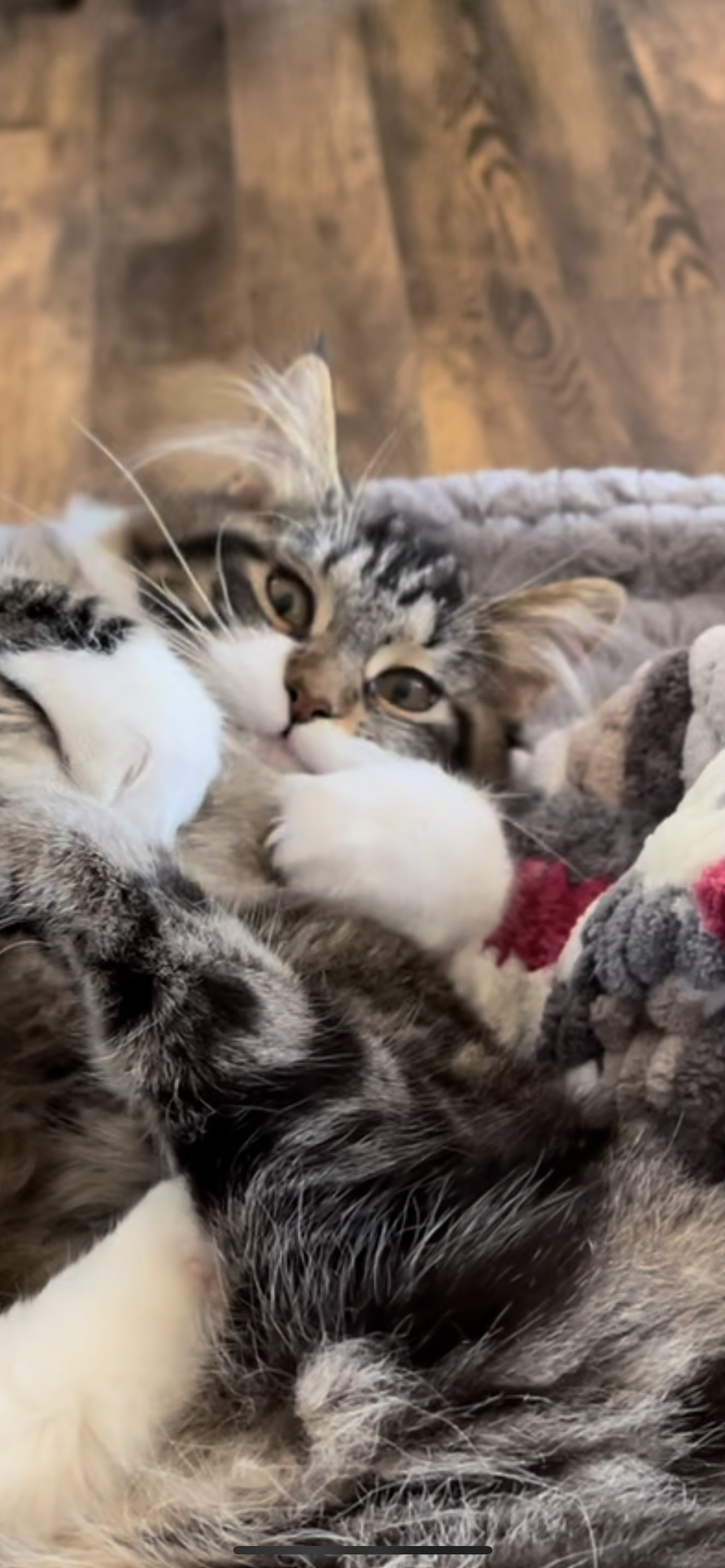
Mackerel tabby Maine Coons feature a series of thin, vertical stripes that run down their sides, with a darker stripe down their spine. These stripes are often complemented by a lighter base color, creating a stunning contrast.
2. Color Variations:
Mackerel tabby Maine Coons can come in various colors, including brown, gray, red, and cream. Each color enhances the visibility of the stripes, contributing to their overall beauty.
3. Large Size:
Like all Maine Coons, mackerel tabbies are known for their impressive size. Males typically weigh between 13-18 pounds, while females are slightly smaller, making them one of the largest domesticated cat breeds.
4. Distinctive Features:
They have tufted ears, a bushy tail, and a square muzzle. These features, combined with their striking coat pattern, give them a wild and majestic appearance.

Personality Traits
1. Affectionate and Friendly:
Mackerel tabby Maine Coons are known for their warm and loving nature. They thrive on companionship and enjoy being around people, often forming strong bonds with their families.
2. Playful and Energetic:
These cats are playful and retain their kitten-like energy well into adulthood. They love interactive play and require regular mental and physical stimulation.
3. Intelligent and Curious:
Mackerel tabby Maine Coons are highly intelligent and curious, often exploring their environment and engaging in problem-solving activities. This makes them quick learners who can be easily trained.
4. Sociable and Adaptable:
Known for their sociable nature, these cats typically get along well with children and other pets. They adapt well to various living situations, making them a great choice for families or single individuals.
Care and Maintenance
1. Grooming Needs:
Regular grooming is essential to maintain the health of their long, luxurious coats. Brush them at least once a week to prevent matting and reduce shedding.
2. Dietary Requirements:
Providing a balanced diet is crucial for their overall health. High-quality cat food that meets their nutritional needs is essential, and consulting with a veterinarian can help you choose the best options.
3. Veterinary Care:
Regular check-ups are important to monitor their health and catch any potential issues early. Maine Coons can be prone to certain genetic conditions, so proactive care is key.

Conclusion
Mackerel tabby Maine Coons are not only visually striking with their unique coat patterns, but they also possess delightful personalities that make them wonderful companions. Their affectionate nature, playful spirit, and intelligence create a bond that enriches the lives of those lucky enough to share their homes with them.
If you’re considering adding a mackerel tabby Maine Coon to your family, be prepared for a loving and engaging pet that will bring joy and warmth into your life. Their stunning appearance and charming character make them truly special members of the feline world!

Understanding Maine Coon Ear Tufts and Points: What Makes Them Unique
Maine Coons are not only known for their impressive size and affectionate nature but also for their striking physical features. Among these, their distinctive ear tufts and points stand out. Let’s dive into what makes these characteristics special and how they contribute to the breed’s overall charm.

1. What Are Ear Tufts?
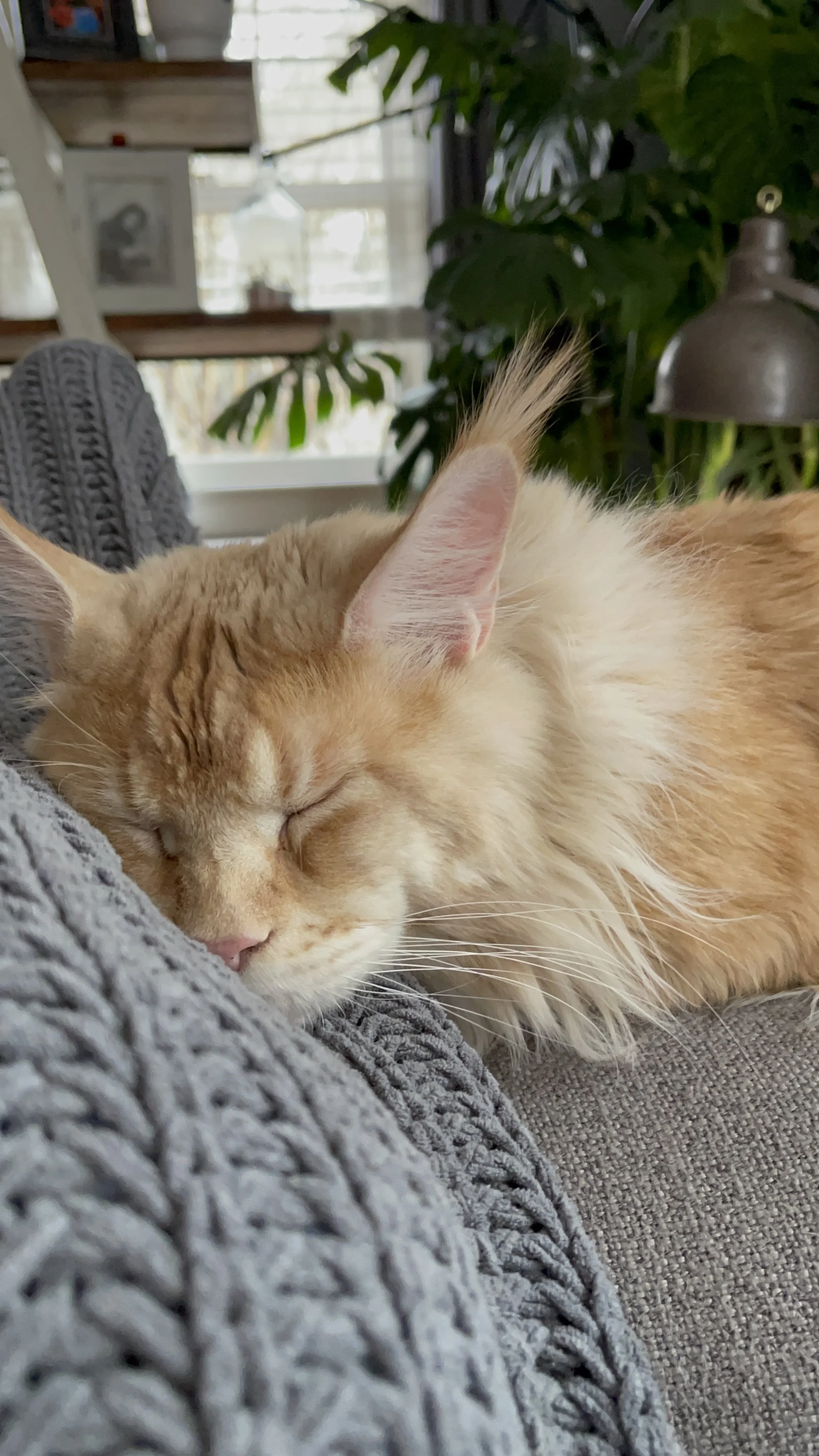
Maine Coons are easily recognizable by their tufted ears. These tufts are long, hair-like extensions that grow from the tips of their ears, resembling small brushes. They can vary in length and prominence among individual cats, but they generally serve both functional and aesthetic purposes.
Functionality:
Insulation: The ear tufts help keep their ears warm in colder climates, a trait that hails from their origins in the chilly New England region.
Enhanced Hearing: These tufts may also help funnel sound, improving their hearing ability, which is crucial for hunting.

2. What Are Ear Points?
In addition to ear tufts, Maine Coons often have ear points—fuzzy, longer hair on the inside of the ears. This feature adds to their wild and regal appearance. The combination of tufts and points enhances their striking looks, contributing to their "lynx-like" appearance.
Visual Appeal:
Ear points complement the overall aesthetic of Maine Coons, giving them a unique and majestic presence. The contrast between their tufted ears and the longer fur can create a beautifully framed face.
3. Genetics Behind Tufts and Points
The presence of ear tufts and points is a breed standard for Maine Coons, meaning these features are highly desired and recognized within the breed. Their genetic background contributes to these unique traits, setting them apart from other cat breeds.
Breeding Considerations:
Responsible breeders pay close attention to these characteristics to maintain the breed standard. This focus helps ensure that future generations retain the distinct tufts and points that are hallmarks of Maine Coons.

4. Grooming and Care
While Maine Coons have beautiful ear tufts, they require regular grooming to keep them healthy and clean.
Grooming Tips:
Brush Regularly: Use a wide-toothed comb or a slicker brush to gently remove any tangles or debris from the ear area.
Check for Dirt or Wax: Regularly inspect the ears for any buildup of dirt or wax. Clean them gently with a damp cloth if necessary.
Vet Visits: Routine veterinary check-ups can help ensure that their ears remain healthy and free from infection.

5. Cultural Significance
Maine Coons, with their tufted ears, have not only won the hearts of cat lovers but also captured the fascination of various cultures. Their lynx-like features often evoke images of wild cats, adding to their allure.
Symbol of Beauty and Grace:
The combination of ear tufts and points contributes to the Maine Coon’s reputation as a regal and majestic breed. Their unique appearance makes them a popular choice among cat enthusiasts and has led to their portrayal in various media and art.

Conclusion
Maine Coon ear tufts and points are more than just physical characteristics; they embody the breed's rich history and functional design. These features enhance their beauty while serving practical purposes in their native, often harsh environments. Understanding and appreciating these traits adds to the admiration of this remarkable breed. If you're lucky enough to share your life with a Maine Coon, take a moment to appreciate the unique charm of their tufted ears—they're a beautiful reminder of the breed's heritage and individuality.
🌿 Cat Tree Review: Our Favorite for Style, Stability & Toe Beans
At Safe Harbour Maine Coons, we’re constantly testing cat furniture to find what truly holds up to our fluffy chaos crew. Of all the cat trees we’ve brought into our home, this one has become our absolute favorite—for both form and function. You can check it out here: Amazon Link » 🐾

🛠️ What Makes This Cat Tree a Standout?
1. Gorgeous Design
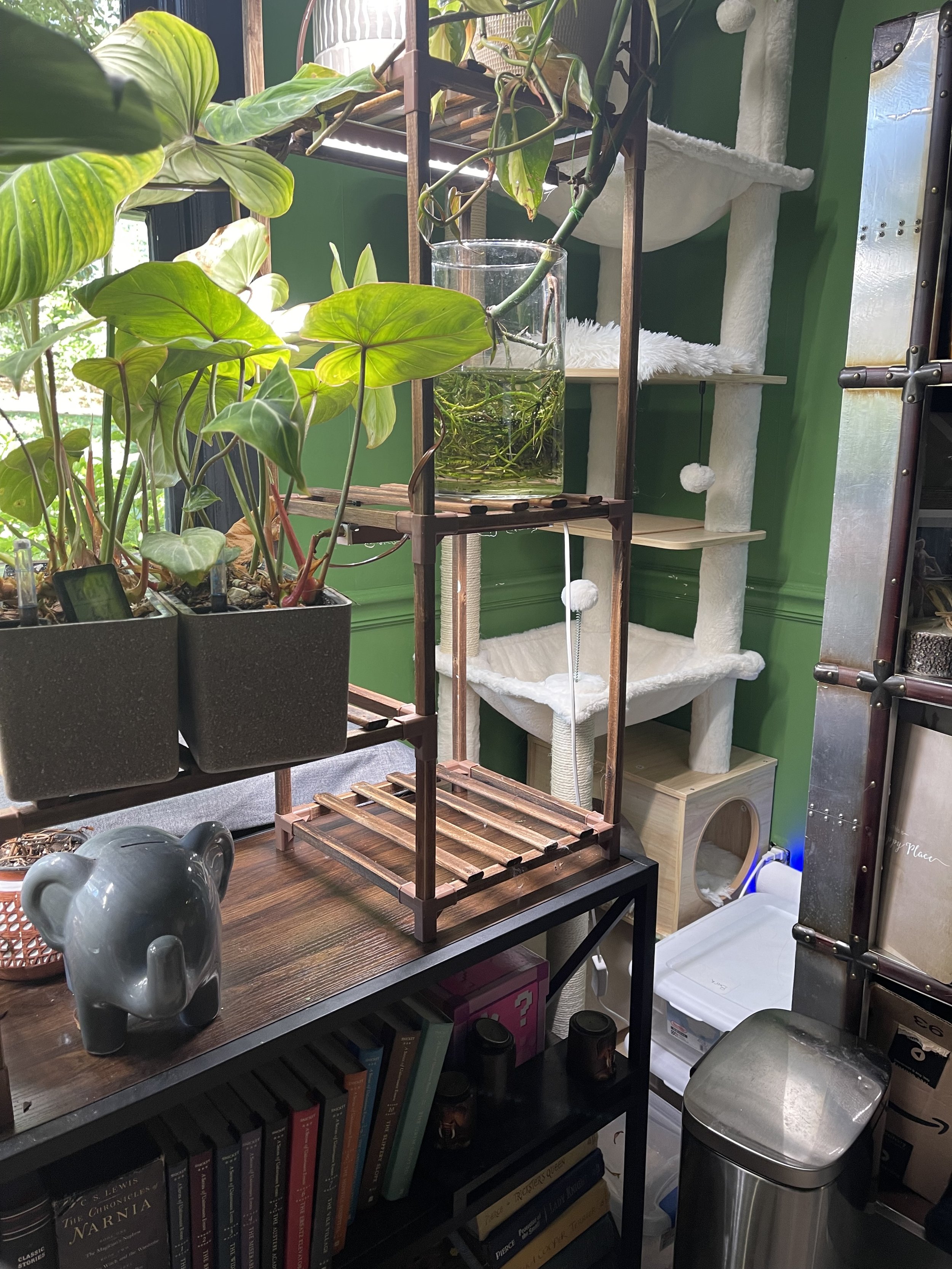
Let’s be honest—most cat trees are a little bit… hideous. But not this one. With clean lines, neutral tones, and a tall profile that blends beautifully with modern decor, this tree is one you won’t feel the need to hide when company comes over.
2. Sturdy and Safe for Maine Coon Weight
Stability is everything when you have cats that thump rather than jump. This tree holds up under the weight of our big-bodied floofs, even when multiple cats are using it at once. No wobbling, no tipping—just confidence-inspiring sturdiness.
3. Smart Hammock Placement (Now Featuring an Upgrade!)
The top perch of this tree comes with a fabric hammock—but we swapped it out for a clear acrylic bowl. Why? Because toe beans. There is nothing more delightful than walking by and spotting Raeya’s glorious paws smooshed against the acrylic while she naps like the queen she is.
4. Surprisingly Hair-Resistant
The materials on this tree don’t seem to trap cat hair like some of our others do. It’s easier to wipe down and stays looking clean longer, which is a win in a multi-cat home.
5. Easy Assembly
Every part (except bolts) came labeled and the instructions were crystal clear—it’s a straightforward build, and you’ll have your cats climbing it in no time.
🐈⬛ Blaze’s Stamp of Approval
Blaze, our Tuxedo Maine Coon, has officially claimed the his favorite perch—and he’s not sharing. Whether he’s curled up watching birds or flipping upside down for attention, this tree has become his royal throne. And trust us, Blaze does not settle for anything less than the best.
❗Not Sponsored (Yet 😉)
Disclosure: These are not affiliate links (yet!). We’re sharing because we love this food and it works wonders for our cats. If we join an affiliate program later, we’ll update this post with full transparency.
🐾 Have Questions?
Drop us a DM on TikTok or Instagram @SafeHarbourMaineCoons, or send us an email—we’re always happy to chat feline nutrition.
Why Cats Curl Into a Ball When They Sleep

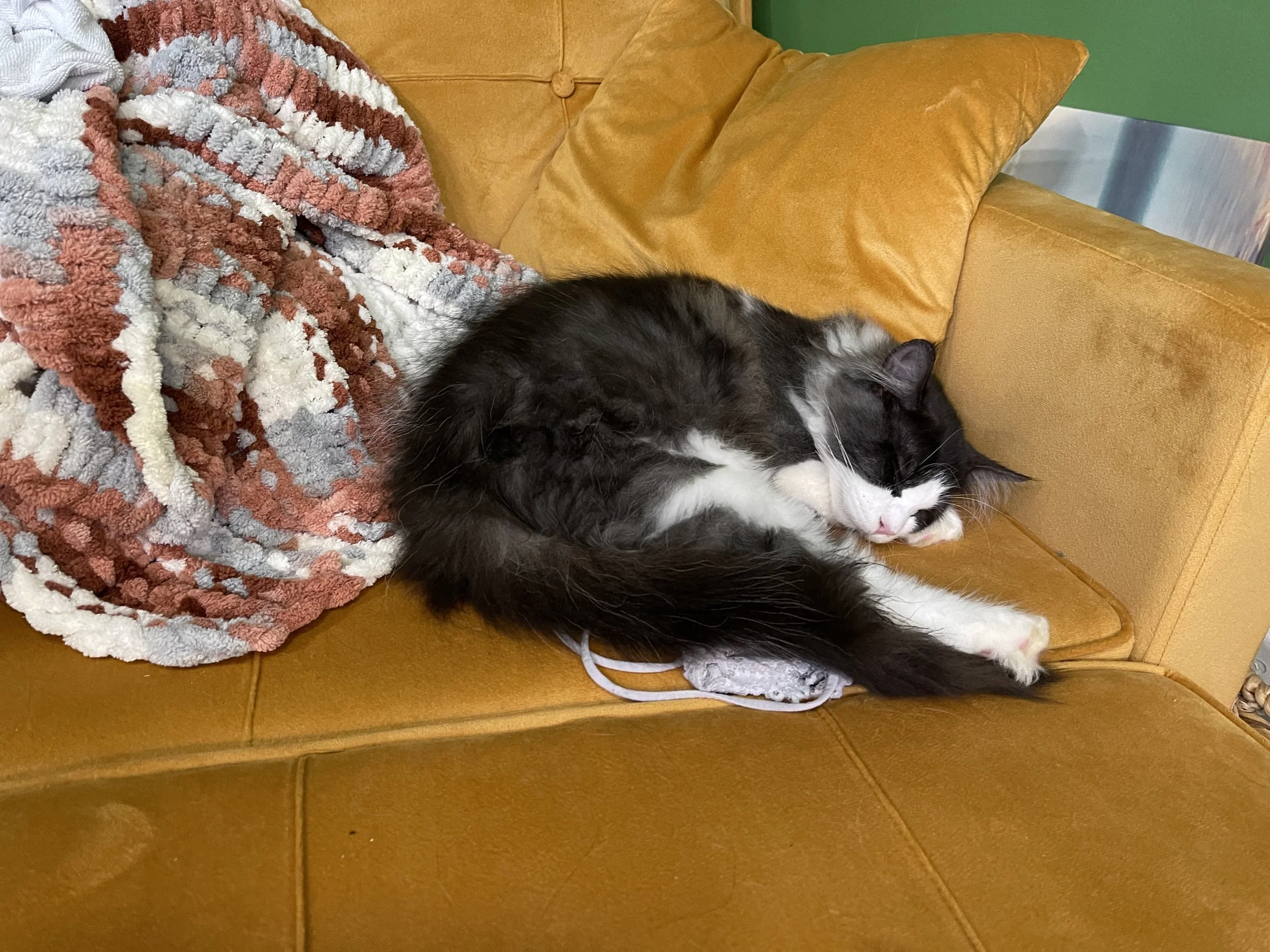
If you’ve ever watched your cat settle down for a nap, you might have noticed their tendency to curl into a tight ball. This common sleeping position is not only adorable but also serves several practical purposes. Here’s a look at the reasons why cats choose to curl up while they sleep.
1. Conserving Heat
One of the primary reasons cats curl up is to conserve body heat. By tucking their limbs and tails close to their bodies, cats minimize the surface area exposed to the cooler air, helping them stay warm. This instinct is particularly important for cats in colder climates or during winter months, as it allows them to maintain their body temperature while resting.

2. Feeling Safe and Secure
Curling into a ball can be a defensive posture. In the wild, cats are both predators and prey. By curling up, they protect their vital organs and appear smaller to potential threats, helping them feel more secure. This behavior often carries over to domestic cats, who still retain some of these instincts, even in the safety of their homes.
3. Comfort and Relaxation
For many cats, curling up is simply a comfortable position for sleeping. It allows them to settle into a cozy spot where they can relax fully. This position can help support their body and neck, providing comfort as they drift off to sleep.

4. Aiding in Sleep Quality
The curled position may help cats enter deeper stages of sleep. When cats curl up, they can easily shift between light and deep sleep without fully waking up. This allows them to remain alert to their surroundings while still getting the rest they need.

5. Instinctual Behavior
Cats are natural hunters, and curling up can be an instinctive behavior that harks back to their wild ancestors. In the wild, a curled position not only protects them but also prepares them for quick movement if necessary. Even domestic cats retain this instinct, which can manifest during sleep.

6. Marking Territory
When cats curl up, they often knead or burrow into their sleeping spot, which can help them mark their territory. Cats have scent glands in their paws, and by kneading or curling into a spot, they leave their scent behind, claiming it as their own.
Conclusion
Cats curling into a ball while they sleep is a fascinating behavior that serves multiple purposes, from conserving heat to enhancing feelings of safety and comfort. Understanding this behavior helps deepen the bond between you and your feline friend, as it showcases their instinctual needs for warmth and security. So, the next time you see your cat snugly curled up, you can appreciate the mix of instinct and comfort that drives this adorable habit!
Check out our Amazon Store front for the beds our cats love!
Do Maine Coons Favor One Parent Over the Other? Understanding the Bonds of the Gentle Giant
Maine Coons are famous for their friendly and affectionate nature. They’re often called “gentle giants” for a reason—they’re social, loving, and love to be around their family. But like all pets, Maine Coons can form unique bonds with individual family members. If you’ve noticed that your Maine Coon seems to gravitate towards one person in the household, you’re not imagining it! Let’s explore why Maine Coons might show a preference for one parent over another and what this means for your family dynamic.
1. A Perfect Personality Match
Every Maine Coon has its own unique personality, and just like people, they’re drawn to certain qualities in others. If one person is more playful, calm, or chatty, and this aligns with your Maine Coon’s vibe, they might form a stronger bond with that individual. Cats tend to gravitate toward the energy that feels most comfortable or fun for them, so if one parent is a better personality match, they’re more likely to be the chosen one!
2. Time and Interaction Count
Consistency and daily routines matter to Maine Coons. They’ll likely develop a stronger attachment to the person who spends the most time with them, whether it’s feeding, playing, grooming, or just hanging out. If one parent takes on most of the daily caregiving, the cat may naturally bond with them more closely. Quality time builds trust, and Maine Coons love a dependable, present companion.
3. First Impressions Matter
The way a Maine Coon is introduced to family members can shape their bond. If one parent spent more time socializing, training, or comforting the cat when they were new to the family, the Maine Coon may have formed a lasting, positive association with that person. This early bond can lead to a natural preference, but the good news is that time and shared experiences can help build strong connections with other family members too.
4. Individual Preferences and Comfort
Maine Coons are known to have distinct personalities, and with that comes individual preferences. Some cats prefer calm and gentle interactions, while others love high-energy play sessions. One parent might offer the exact comfort level a Maine Coon craves, and they’ll often gravitate towards the person who best matches their ideal “vibe.”
5. Affection Looks Different for Everyone
A Maine Coon’s favoritism doesn’t mean they don’t care for the other family members. Cats show affection in unique ways. The “favorite” parent might get more lap cuddles or purring sessions, while the other parent may be the go-to for playtime or curiosity-driven visits. Each relationship is special in its own way, and Maine Coons can express affection differently to each member of the family.
6. Managing Jealousy and Competition
It’s natural to feel a bit of envy if your Maine Coon shows more affection to one parent over the other. However, cats are sensitive to emotions, and they may pick up on any tension. Maintaining a positive, loving environment benefits everyone—cat included! Try to avoid competition and instead focus on quality interactions to create shared experiences with your Maine Coon.
7. Encouraging Balanced Bonds
If you want to encourage a well-rounded bond, get both parents involved in positive activities like playtime, grooming, or treat-giving. Switching up the responsibilities can give your Maine Coon a chance to develop special moments with each family member, helping reduce favoritism and fostering an inclusive family dynamic.
Building a Bond that Lasts
It’s common for Maine Coons to show a preference for one person, but remember—it usually comes down to personality compatibility, consistency, and individual needs. A Maine Coon’s affection is fluid, and all family members have the opportunity to bond with them through shared experiences, patience, and love.
Every interaction is a chance to build trust and make memories, whether it’s through cozy cuddle sessions or lively playtime. Celebrate the unique relationships within your household and enjoy the special connection you share with your gentle giant, whether you’re the favorite or simply part of the beloved family circle!
Keeping Your Maine Coon Clean and Well-Brushed: A Grooming Guide for Fluffy Royalty
Let’s face it, our Maine Coons are the ultimate mix of grunge-era hair and Pinterest-worthy aesthetics. These majestic felines didn’t ask for their stunning two-layered coats (think: “natural beauty vibes”), but it’s up to us to keep that fluff clean, healthy, and Instagram-ready. Grooming your Maine Coon isn’t just maintenance—it’s a chance to bond, de-stress, and maybe sneak in some adorable selfies. Here’s how to make grooming your fluffy friend a breeze.
Let’s face it, our Maine Coons are the ultimate mix of grunge-era hair and Pinterest-worthy aesthetics. These majestic felines didn’t ask for their stunning two-layered coats (think: “natural beauty vibes”), but it’s up to us to keep that fluff clean, healthy, and Instagram-ready. Grooming your Maine Coon isn’t just maintenance—it’s a chance to bond, de-stress, and maybe sneak in some adorable selfies. Here’s how to make grooming your fluffy friend a breeze.
1. The Maine Coon Coat: Nature’s Sweater Weather Champion
Your Maine Coon’s coat is chef’s kiss: a soft, insulating undercoat paired with a water-repellent outer layer. It’s basically a Patagonia jacket but cuter. This luxurious combo gives them their regal look and keeps them cozy in colder weather. But it also means regular grooming is a non-negotiable. Think of it as their weekly spa appointment—except you’re the stylist.
2. How Often Should You Groom?
Not to scare you, but grooming a Maine Coon is kind of like managing that “forever sweater” you bought in 2010: high-maintenance, but worth it.
• Daily Quick Brushing: Especially during shedding seasons (spring and fall), spend 5–10 minutes brushing out loose fur. Bonus: less fur on your couch and fewer hairballs.
• Weekly Deep Dive: Set aside a chunk of time to tackle tangles, mats, and anything your Maine Coon has picked up (because they will find that dust bunny you missed).
3. Grooming Tools That Slay
Millennials love a good gadget, and grooming tools are no exception. Here’s what you need for a pro-level setup:
• Slicker Brush: Perfect for smoothing out loose fur and minor tangles.
• Wide-Toothed Comb: Essential for those tricky spots like armpits, bellies, and behind-the-ears fluff.
• De-Shedding Tool: Your MVP during shedding season—it helps reduce fur buildup in the undercoat.
• Nail Clippers: Keep claws tidy to save both your furniture and your arms.
4. Bathing Your Maine Coon (Yes, Sometimes It’s Necessary)
Cats are usually self-cleaning machines, but Maine Coons are the exception when they dive headfirst into chaos (or something smelly).
• When to Bathe: A bath every few months is plenty unless they’ve had a particularly “adventurous” day.
• How to Prep for Bath Time: Use cat-safe shampoo, a non-slip mat, and towels (and maybe schedule a post-bath wine for yourself).
• Bathing Steps:
• Fill the sink or tub with lukewarm water (just a couple of inches).
• Wet their coat gently, avoiding the face.
• Lather with shampoo, rinse thoroughly, and towel dry—or use a low-heat blow dryer if they’re chill about it.
5. The Battle of the Mats and Tangles
Mats happen—especially in places like armpits, behind the ears, and on their belly. Think of them as the Maine Coon version of bad hair days.
• How to Spot Mats: During your weekly brushing, check for sneaky tangles.
• How to Handle Them: Gently work them out with your fingers or a wide-toothed comb. If it’s stubborn, carefully snip with scissors—but safety first, okay?
• Pro Tip: Brushing often is the best way to prevent mats, so don’t skip those quick daily sessions.
6. Dental Care: Don’t Skip the Smile
We know, brushing your cat’s teeth sounds about as appealing as assembling IKEA furniture, but it’s worth it.
• Cat-Safe Toothpaste: Try to brush a few times a week (yes, you’ll need a lot of patience).
• Dental Treats: If brushing isn’t happening, opt for dental treats or chews to keep plaque at bay.
7. Make Grooming a Vibe, Not a Battle
Let’s channel some zen energy into grooming time—it doesn’t have to feel like a struggle.
• Start Young: If you have a kitten, get them used to grooming early. Older cat? No worries, just ease them into it with baby steps.
• Positive Reinforcement: Treats, gentle praise, and belly rubs go a long way. Grooming = happy vibes.
• Keep It Short: Don’t marathon the grooming session. Start small, and as your cat gets comfy, you can extend the time.
8. Grooming Is Self-Care—for Both of You
Here’s the thing: grooming your Maine Coon isn’t just about keeping them clean—it’s a full-on bonding experience. You’re not just brushing fur; you’re building trust and sharing a little mindfulness moment. Plus, nothing beats the satisfaction of seeing your fluffy pal looking their absolute best (and knowing you’re the reason why).
Your Maine Coon deserves the same level of care and love you give your houseplants or that sourdough starter you attempted in 2020. With the right tools, a little patience, and a sense of humor, grooming can go from a chore to a highlight of your week.
So grab that brush, set the mood (lo-fi beats, anyone?), and pamper your Maine Coon like the majestic, Instagram-worthy royalty they are. You’ll walk away with a cleaner, healthier cat—and maybe a little extra zen for yourself.
Maine Coons and Their Love for Water: A Unique Trait
If you’ve ever seen a Maine Coon cat splashing in water or curiously dipping their paw into a bowl, you’re not imagining things. Unlike most felines, Maine Coons have an unusual fascination with water! Their playful, curious nature and unique love for aquatic activities make them stand out among cat breeds.
Why Do Maine Coons Love Water?
1. Ancestral Instincts:
Maine Coons are believed to have descended from seafaring cats brought to North America, which might explain their comfort around water. Over generations, they’ve retained this trait, making them more curious and tolerant of water than most cats.
2. Thick, Water-Resistant Fur:
Their luxurious double-layered coat is somewhat water-resistant, allowing them to play in or near water without immediately getting soaked. This might make them feel more comfortable splashing around.
3. Playful Curiosity:
Maine Coons are naturally curious cats. Running water, ripples in a bowl, or even a dripping faucet can captivate their attention and draw them into some watery fun.
Ways Maine Coons Enjoy Water
• Faucet Fun: They’ll sit by the sink, pawing at the water stream or lapping it up directly.
• Bath Time: Unlike most cats, Maine Coons might not shy away from baths and may even find them enjoyable.
• Water Bowls: Many Maine Coons playfully splash their drinking water or tip the bowl over just for fun.
• Kiddie Pools: Some owners fill shallow kiddie pools to let their Maine Coon explore and play safely.
Tips for Encouraging Safe Water Play
• Provide a Safe Environment: Let them explore shallow water, such as a sink, tub, or basin. Avoid deep water where they might feel uncomfortable.
• Interactive Toys: Floating toys or small objects can enhance their water play experience.
• Supervise Their Play: Always keep an eye on them during water play to ensure safety.
• Hydration Fun: Invest in a pet water fountain for constant access to moving water, which Maine Coons find fascinating.
The Joy of a Water-Loving Cat
Maine Coons are already known for their playful and loving nature, and their unique love for water adds an extra layer of charm. Whether it’s splashing in the tub or chasing ripples in their bowl, their water antics are sure to entertain and endear you even more to these incredible cats.
If you have a Maine Coon, embrace their quirky water-loving personality—it’s just another reason they’re such special companions!
Choosing the Perfect Maine Coon Kitten: Questions to Ask Breeders
So, you’ve decided to bring home a Maine Coon kitten—one of the most majestic, affectionate, and captivating cat breeds out there! These gentle giants are known for their playful personalities, loyalty, and stunning looks, and they can be a perfect addition to any home. But when it comes to finding the right breeder, there are some important questions to ask to ensure you’re bringing home a healthy, well-bred Maine Coon. Here’s your go-to guide for what to look for and ask when choosing the perfect kitten.
1. Is the Breeder Registered and Ethical?
Before diving into details about specific kittens, it’s essential to confirm that the breeder is reputable and follows ethical practices. Look for breeders registered with official cat associations like The International Cat Association (TICA) or The Cat Fanciers’ Association (CFA). These organizations have standards that reputable breeders must meet.
• Ask: “Are you registered with any cat associations?”
• Look for: Transparency about their breeding practices, certifications, and a strong reputation in the Maine Coon community. Ethical breeders will be open and knowledgeable, willing to share details about their breeding programs.
2. What Health Screenings Do the Kittens and Parents Receive?
Maine Coons are generally healthy cats, but like any breed, they’re prone to certain genetic conditions. Hypertrophic cardiomyopathy (HCM) and hip dysplasia are known issues in Maine Coons, so it’s essential to choose a breeder who tests for these conditions.
• Ask: “Do you screen the parents and kittens for common health issues, like HCM or hip dysplasia?”
• Look for: Proof of recent screenings and health tests. Ethical breeders are proactive about health checks and will happily provide documentation of these tests.
3. Can I Meet the Kitten’s Parents?
Meeting the kitten’s parents can give you a glimpse into the temperament and appearance your Maine Coon might inherit. Parent cats should be friendly, well-socialized, and in good health. Observing the parents also lets you see how the breeder treats their cats, which speaks volumes about their operation.
• Ask: “Can I meet the kitten’s mother and father?”
• Look for: Cats that are relaxed, well-behaved, and clearly cared for. If the parents seem anxious or unhealthy, it may be a red flag about the breeder’s practices.
4. What Is the Kitten’s Socialization Process?
Early socialization is essential in raising a confident, well-adjusted Maine Coon. Kittens who are handled, played with, and exposed to different people and environments early on are more likely to adapt smoothly to their new homes.
• Ask: “How do you socialize the kittens?”
• Look for: Breeders who introduce kittens to various sights, sounds, and gentle handling from a young age. Some breeders may also begin litter box training and basic grooming routines, which are great signs of care.
5. What Vaccinations and Vet Checks Has the Kitten Received?
Reputable breeders ensure their kittens receive initial vaccinations and veterinary check-ups before going to their forever homes. A responsible breeder will provide you with a health record detailing all vaccinations and treatments.
• Ask: “What vaccinations and vet checks has the kitten received?”
• Look for: A complete health record that includes vaccinations, deworming, and any vet exams. A good breeder will also give you advice on future vaccinations and vet care for your kitten.
6. At What Age Can I Bring the Kitten Home?
Kittens need time with their mother and siblings to learn essential social skills. A Maine Coon kitten should stay with its mother for at least 12–14 weeks to ensure they are healthy and emotionally prepared for a new home. Avoid breeders who are willing to let kittens go before this age.
• Ask: “When will the kitten be ready to go home?”
• Look for: Breeders who understand the importance of early development and only release kittens after they’re at least 12–14 weeks old.
7. Can You Provide References from Previous Adopters?
Speaking to previous adopters can give you valuable insight into the breeder’s reputation and the health and temperament of their Maine Coons. A reputable breeder will happily provide references.
• Ask: “Can I speak with others who have adopted from you?”
• Look for: A breeder who provides references or can point you to testimonials. If possible, contact a few adopters to hear about their experience.
8. What Support Do You Offer After Adoption?
A great breeder cares about the long-term well-being of their kittens and is often happy to provide support after you bring your Maine Coon home. They may offer guidance on feeding, litter training, or transitioning the kitten to your home.
• Ask: “Do you offer post-adoption support?”
• Look for: Breeders who offer guidance and encourage you to reach out if you have questions. They may even have a return policy in case unforeseen circumstances arise.
9. What Type of Diet Are the Kittens Used To?
Knowing what food the kittens are accustomed to can make their transition easier. Many breeders start their kittens on a high-quality diet, and you’ll want to continue feeding the same or a similar food initially.
• Ask: “What kind of food is the kitten currently eating?”
• Look for: Information on a high-quality diet plan. The breeder should be able to recommend specific brands or types of food to keep your Maine Coon healthy.
10. Do You Offer Any Health Guarantees?
Some breeders provide a health guarantee, which covers certain genetic conditions for a specified period. This shows confidence in their breeding practices and gives you peace of mind.
• Ask: “Do you offer a health guarantee for genetic conditions?”
• Look for: A health guarantee that covers a reasonable period (typically one to two years) for hereditary issues.
Finding Your Perfect Maine Coon Kitten
Choosing the right Maine Coon kitten involves more than just picking the cutest face—it’s about selecting a healthy, well-socialized kitten from a reputable breeder who prioritizes the welfare of their cats. By asking the right questions, you can feel confident in your decision and look forward to welcoming a happy, healthy Maine Coon kitten into your home.
Take your time, do your research, and trust your instincts. A good breeder will be open, transparent, and enthusiastic about answering your questions. After all, they want to make sure their kittens go to loving, informed homes. With the right preparation, you’ll soon be bringing home the perfect Maine Coon companion to fill your life with love, playfulness, and those irresistible, giant Maine Coon snuggles!
Building an Indoor Climbing Wall for Your Maine Coon: Where Fitness Meets Feline Fun
Why should your Maine Coon settle for just the couch or that one random windowsill when they could have their very own indoor climbing wall? These majestic fluffballs aren’t just pretty—they’re natural athletes who love scaling new heights. With their boundless energy and curiosity, an indoor climbing wall isn’t just a luxury—it’s the ultimate playground for your feline adventurer. Let’s dive into how you can create a climbing masterpiece that your Maine Coon will love (and possibly claim as their kingdom).
Why Build a Climbing Wall?
Sure, you could stick with a basic cat tree, but where’s the fun in that? A climbing wall is like building your cat their very own gym, amusement park, and zen retreat rolled into one.
1. Physical Fitness: Maine Coons are big cats, and climbing helps them stay in shape. Plus, a tired cat is a happy (and less destructive) cat.
2. Mental Stimulation: New heights and angles mean new adventures. Climbing walls keep your Maine Coon’s brain just as active as their body.
3. Natural Instincts: Climbing satisfies their wild side. Your cat gets to channel their inner panther—minus the jungle.
4. Boredom Buster: Goodbye, shredded curtains and knocked-over plants. A dedicated climbing space gives your cat something way cooler to focus on.
What You’ll Need to Build the Ultimate Cat Climbing Wall
Think of this project as a DIY jungle gym for your fur baby. Here’s your shopping list:
• Plywood Boards: The sturdy base for your wall.
• Shelves & Platforms: For dramatic perching and mid-climb break spots.
• Sisal Rope or Carpet: Perfect for scratching and grip.
• Mounting Hardware: Anchors, screws, and brackets to keep everything secure.
• Non-Toxic Paint or Sealant: Because cats lick everything.
• Tools: Measuring tape, level, saw, drill, and screwdriver.
• Extras: Cat hammocks, tunnels, or ramps for bonus fun!
Step-by-Step: How to Build a Climbing Wall Fit for a King (or Queen)
1. Pick the Perfect Wall
Choose a space where your Maine Coon can climb freely without crashing into a lamp or your houseplants. Bonus points if it’s near a window—your cat will love the added “nature channel” views.
2. Design the Dream Layout
Sketch out your climbing wall masterpiece. Think shelves, platforms, and ramps at varying heights. Aim for a mix of easy jumps and big leaps to keep things interesting.
3. Prep Your Plywood
Cut the plywood into shelves and shapes for climbing holds. Sand down edges because nobody (cat or human) likes splinters.
4. Add Climbing Grips
Wrap sections of the plywood or platforms in sisal rope or carpet for extra grip. These will be your cat’s climbing lifelines.
5. Mount It Like a Pro
Find your wall studs (thank you, stud finder) and secure the plywood base with heavy-duty brackets and screws. Make sure everything is level—your cat’s grace only goes so far.
6. Add the Perches and Platforms
Attach shelves and platforms at different heights and angles. Create a mix of cozy rest spots and challenging leaps. Remember: Maine Coons are big, so go sturdy!
7. Personalize It
Paint the wood with non-toxic colors to match your decor (or go wild with cat-friendly patterns!). Add fun features like a hammock at the top or a secret tunnel.
8. Introduce the Adventure
Place treats or toys on the climbing wall to entice your Maine Coon to explore. A few encouraging pats and lots of “good kitty” praise will get them climbing in no time.
Safety First! Tips for a Cat-Proof Climbing Wall
• Sturdy AF: Maine Coons are heavyweights, so make sure everything is securely mounted and can handle their size.
• Inspect Regularly: Check for loose screws or wear and tear—your climbing wall should last as long as your cat’s curiosity.
• Supervised First Climbs: Be your cat’s cheerleader (and safety net) the first few times they test it out.
Why Your Maine Coon Will Thank You (with Purrs and Perches)
A climbing wall isn’t just a place for your Maine Coon to burn off energy—it’s their personal jungle gym, nap zone, and lookout tower all in one. Plus, it gives them the chance to show off their athletic skills (and look majestic while doing it).
Time to Build the Ultimate Cat Playground!
Creating a climbing wall for your Maine Coon is as fun for you as it is for your cat. You get to flex your DIY skills while transforming your home into a feline paradise. Your Maine Coon gets the thrill of climbing, exploring, and ruling their vertical kingdom—and you get endless entertainment watching them conquer it all.
So, grab your tools, channel your inner designer, and get ready to impress your furry overlord. Trust us, there’s nothing more satisfying than seeing your Maine Coon proudly perched on their new climbing wall like the majestic climber they were born to be.